Published
The roar of the amplifiers, the sustain or overdrive of the Strato or the Les Paul, that sound that defined legends like AC/DC, Aerosmith or Deep Purple, fades away. While the old glories hang up their guitars, the scene has been invaded by a synthetic tide. But are we facing an evolution or the emptying of a concept?
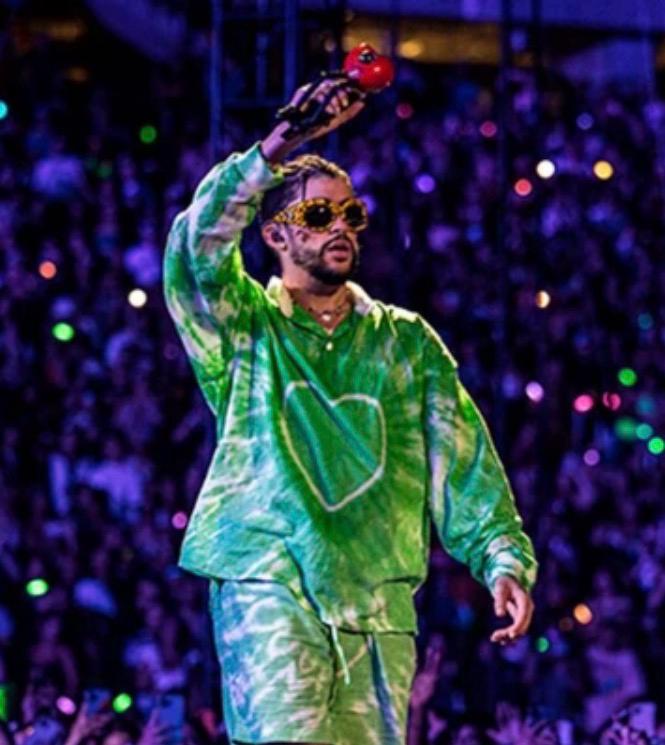
There is an increasingly firm position that questions whether we can call what dominates the charts today "music." If we stick to the technical definition, music is a precise architecture that requires elements such as rhythm, melody and harmony.
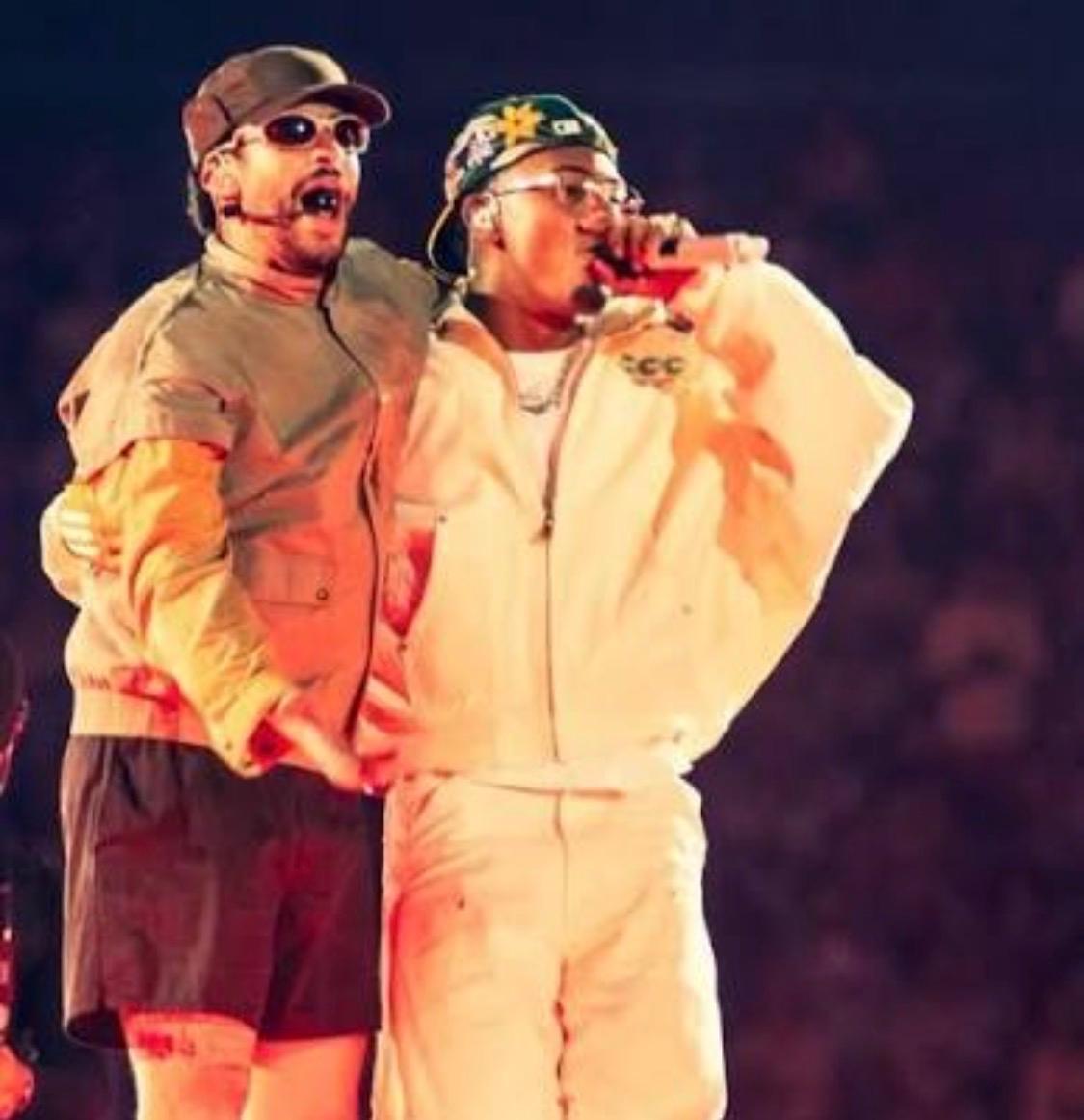
An endless drum-machine loop over which verses are recited requires skill and is a valid form in its own right; maintaining that pulse is not easy. But if a work is stripped of harmony—the tonal support that gives it depth—and of any real melodic structure, what remains? A piece of rhythmic entertainment, perhaps, but hardly music in the strict sense of the term.
The liturgy of risk: when the stage was a battlefield
Rock was never just sound; it was an act of survival. The performances of legendary bands made that commitment physical: Iggy Pop leaping into the void and entrusting his body to the crowd; the cathartic chaos of a guitar smashed against an amplifier; musicians rolling across the floor, sweating out the melody.
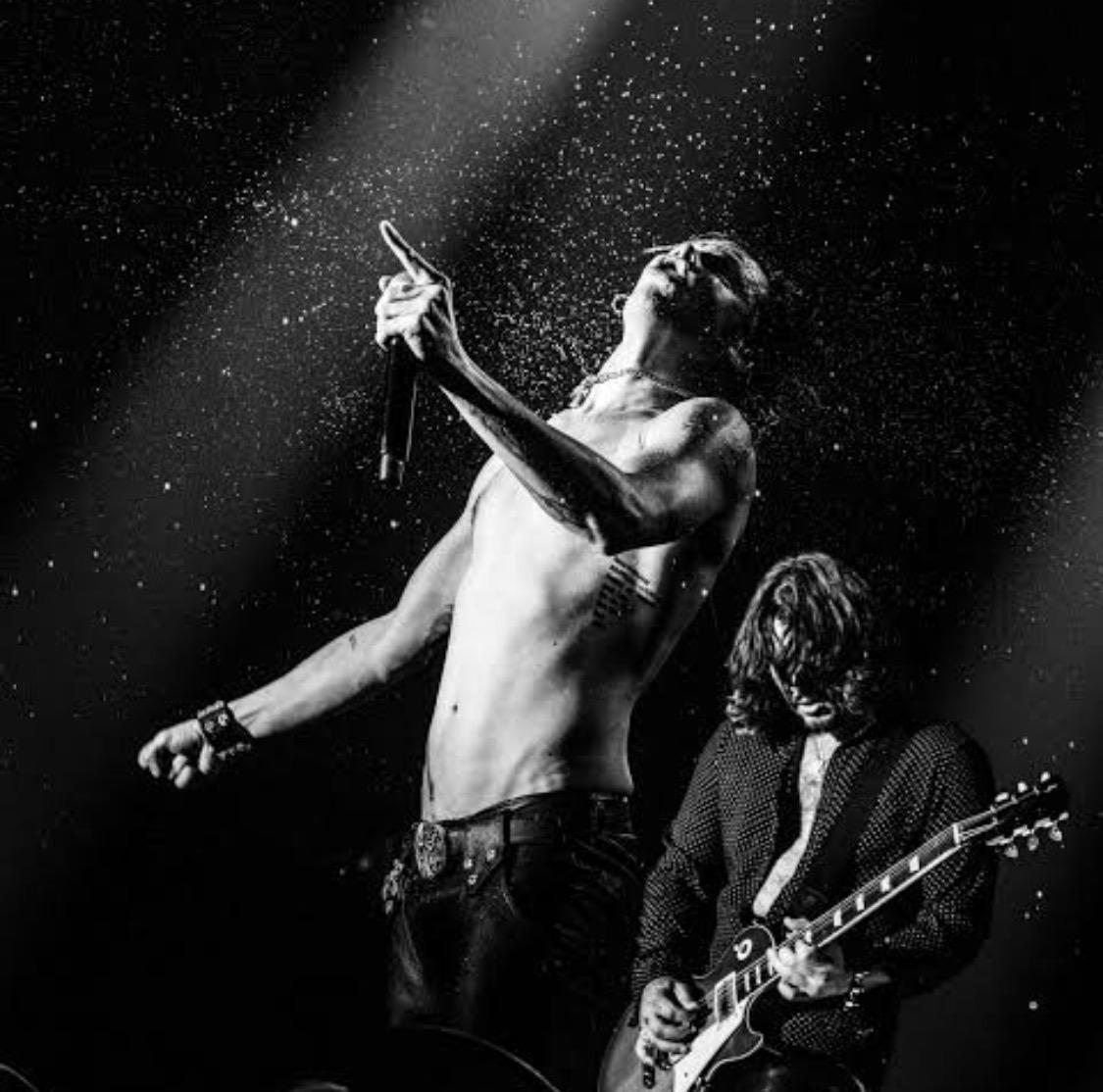
Even without the intention of making an apology, we must remember the use of narcotics at that time as an intrinsic element of that aesthetic of "living on the edge." Those excesses were part of a lifestyle that sought to break the dams of convention, turning the concert into an organic, dangerous and unrepeatable event. Today, before the aseptic and autotune-corrected perfection of the new macro concerts, that liturgy has disappeared.
Resistance: instinct survives
Although the industry tried to bury traditional hardware, years ago with the decline, for example, in sales of electric guitars in favor of synthetics, the instinct survives. In local festivals and in new voices, rock continues to breathe as an act of rebellion.
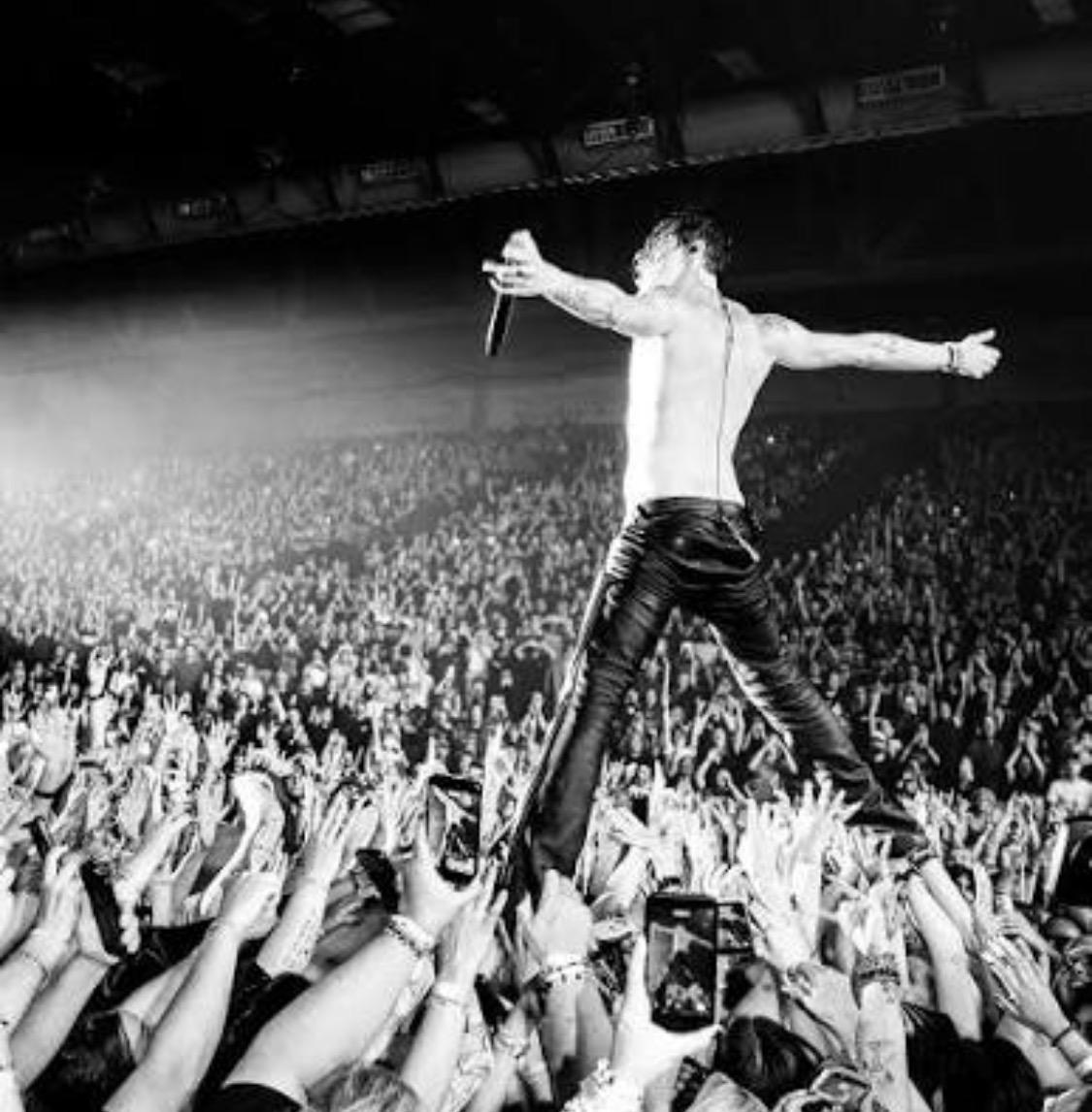
Artists such as Yungblud do not ask permission. Heirs to that energy, they restore an electricity that can stand beside the legends. They show that rock is not a relic but an attitude: a rejection of the comfort of prerecorded sequences and a commitment to real, performed sound—to instruments whose human imperfection is precisely what gives them the power to move us.
A new chapter or goodbye to harmony
Perhaps rock is not dying, it has simply become the refuge of those of us who still seek noise to have soul, intention and harmony. As long as we continue to need music to be something that our brain not only processes, but also feels in its technical structure, we will look for that spark that binary code—no matter how catchy—can never replicate.
Text: José Ramón.