Published
I never imagined that so many years of trail-running training would come in handy for something as specific as being the first person into Canela Party on Thursday and the last one out on Saturday, trying to be there for absolutely everything and relying solely on drugs as hard as caffeine.
Exhausting and enriching. As a friend put it, it wrecks your body and revitalises your soul.
And perhaps that is precisely why, after spending so many hours inside, you end up seeing the festival not only from the stage. You also see it from the corridors, the bars, the toilets, the pits, the food areas, the changeovers between stages and all those small details that do not normally appear on a poster.
There is one thing I have learned after a fair few festivals: what works well is almost never remembered. What works badly is, and it keeps circling around your head. For example:
A twenty-minute queue for a beer is annoying. A huge queue to get in starts to make you angry. And an endless queue for the toilet can turn a wonderful afternoon into a miserable experience. Your favourite band may then come on and sound heavenly, but certain discomforts stick to the memory and tend to outweigh all the wonderful things you experienced.
At Canela this year, those three queues barely existed.
And that is more of an achievement than it might seem.
I remember the problems getting in three years ago perfectly. Not this time. Nor did I see long waits at the bars or a difficult situation around the toilets. They are unglamorous matters that nobody writes about when they work, yet even today they remain weak points at much larger festivals with far greater resources. For whatever reason, these logistical questions do not always seem to rank among the priorities: the till rules, and every euro coming in is celebrated far more than every euro that has to go out to make life a little easier for the audience. At times it feels as though some organisers, particularly devoted to their spreadsheets, neither drink nor eat and, ahem, do not need the toilet either.
Canela has grown in that respect and is now operating at a very high level.
I would add something less measurable but just as important: the way people are treated. From the wristband crew and entrance staff to those behind the bars and the security guards, I always found warmth, kindness and a willingness to help. It is worth mentioning; after many hours inside a festival, you really notice when the person in front of you treats you like a human being rather than the next body in a queue. At Canela, that sense of personal treatment was there throughout all three days.
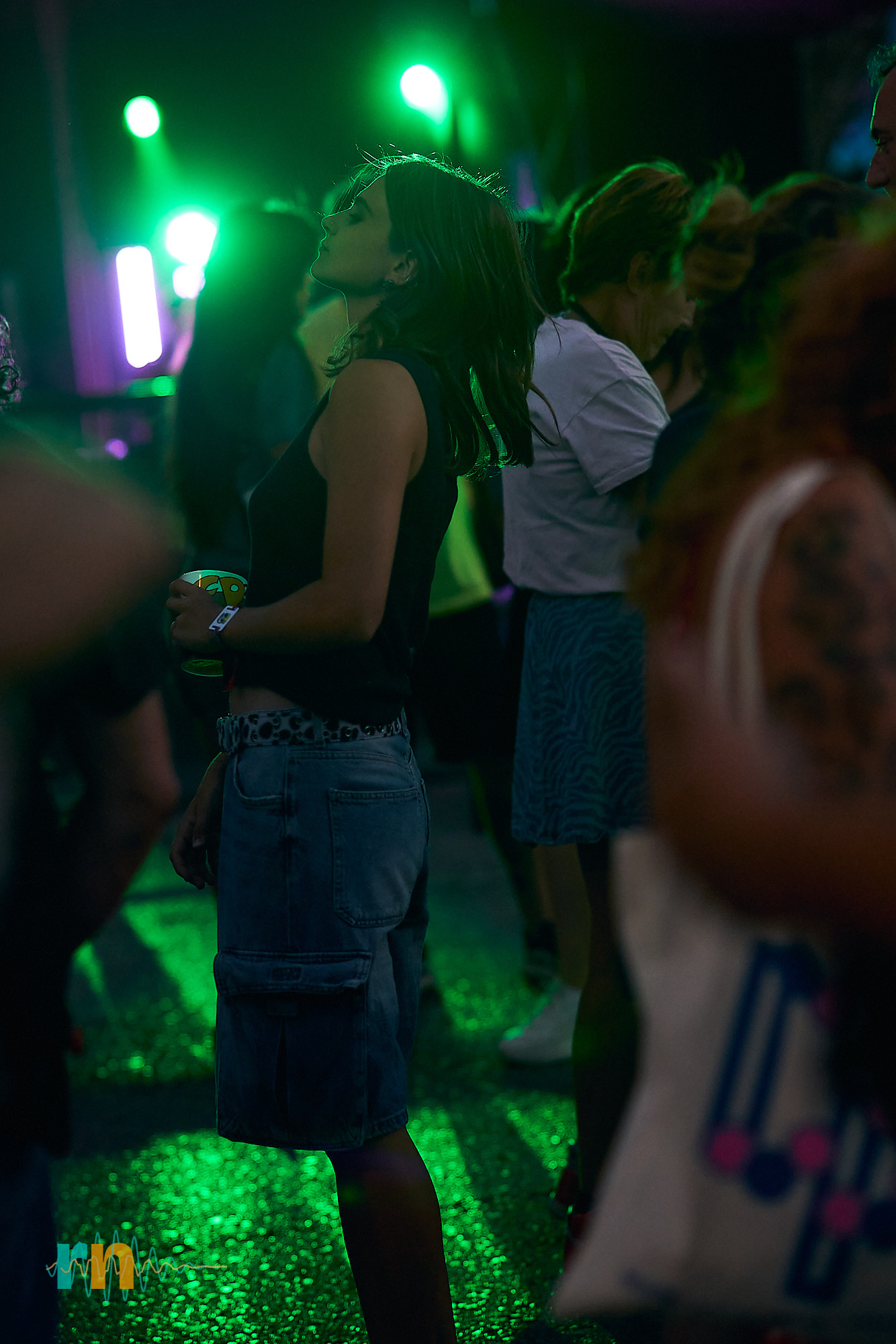
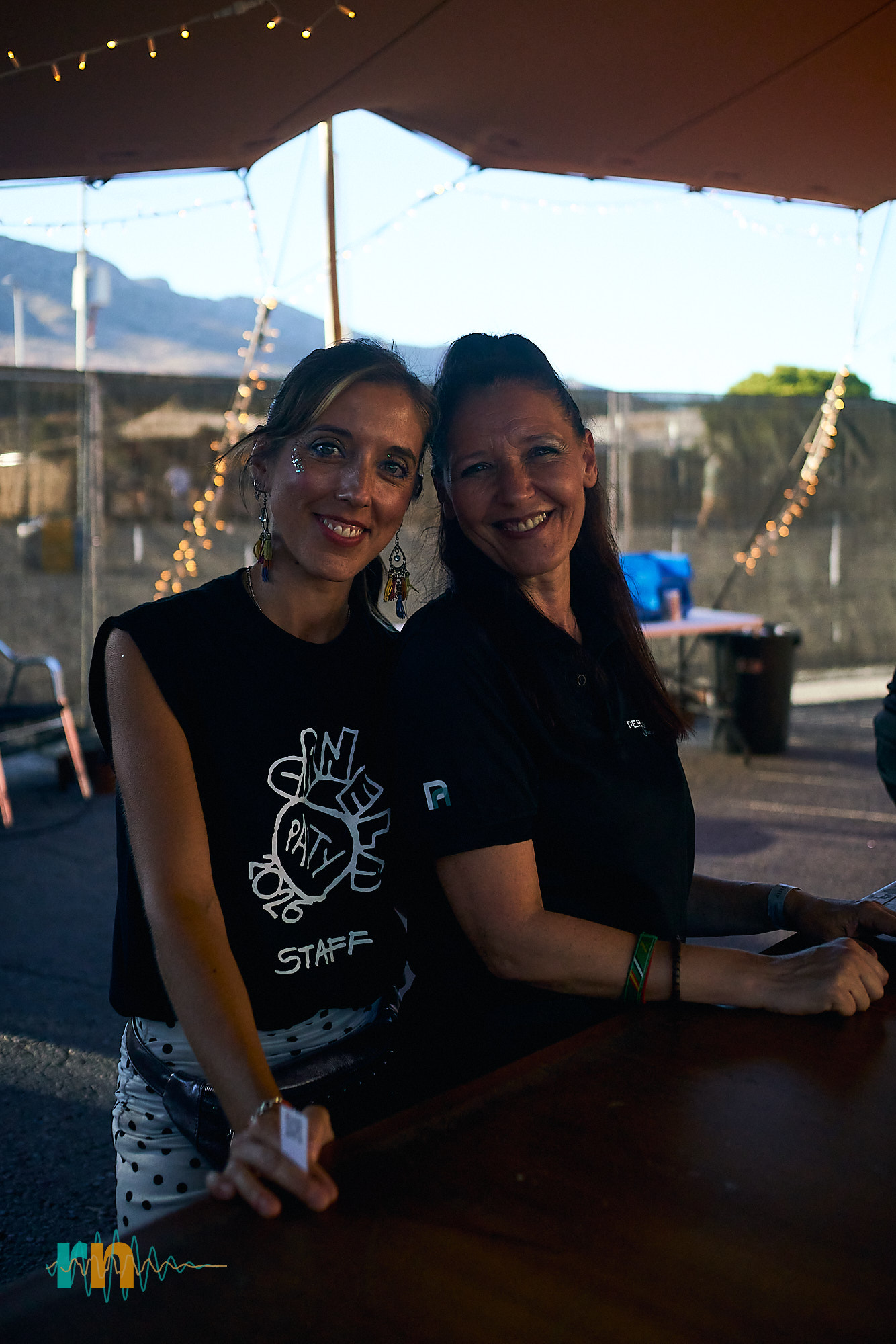
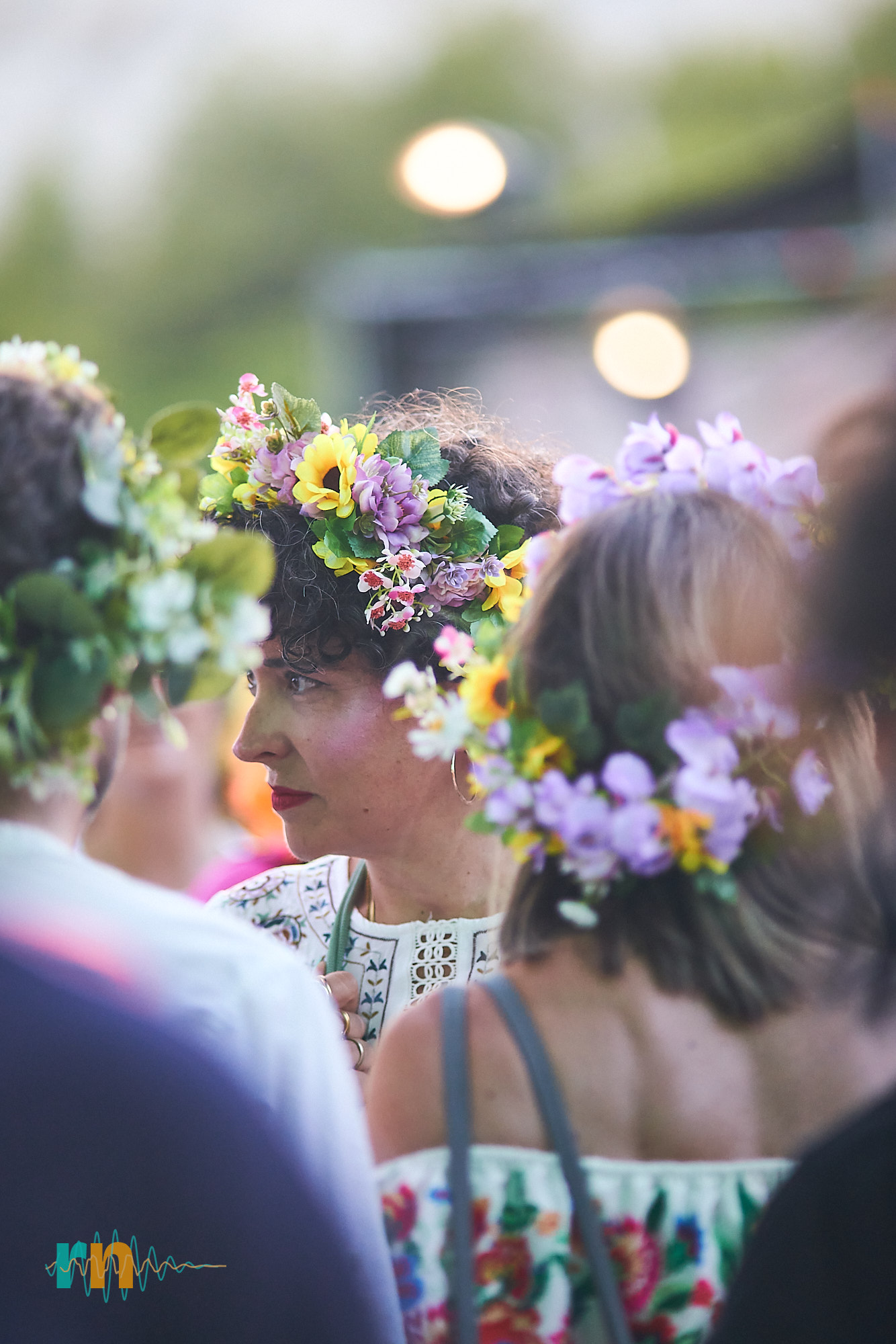
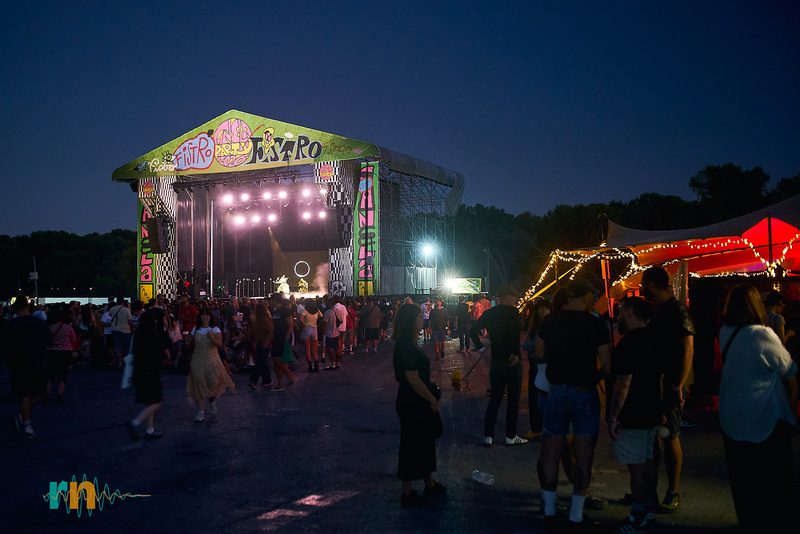
The venue, however, creates a different feeling when you enter. It is austere. Spartan, even. I would never say it is neglected, because that is not it. It is lightly dressed. Visually underbuilt. There is a lot of bare space and few concessions to the contemporary idea of a festival turned into an adventure playground for adults.
I imagine some of that austerity is part of its very nature and, at the end of the day, it does not matter because we are there for what we are there for: to listen to music.
Canela does not seem particularly interested in filling every corner with commercial activations, photocalls, sponsored structures and colourful objects designed for somebody to pose beside with a drink in hand. That comes at a price, of course: visually, the venue can feel somewhat barren, a kind of low-visual format.
But it also brings a reward that we sometimes overlook: you simply keep feeling that you are at a music festival, full stop.
A little more lighting in the areas away from the stages might have helped. At night in particular, I several times felt that there was not quite enough light outside the core concert area. It is not a dramatic problem, but it does contribute to that overall impression of austerity.
I made little use of the food area, so it would not be very serious to offer an exhaustive assessment. My impression was good: enough variety, tables to sit at, no major crowds and no particularly glaring shortcomings.
And coffee.
It may sound silly until you have spent five hours at a festival and you are a genuine coffee person, an unsweetened espresso type. Canela has a coffee stand, and I consider that practically critical infrastructure and a reason to chain myself to a tree if, for whatever reason, this headliner drops out next year.
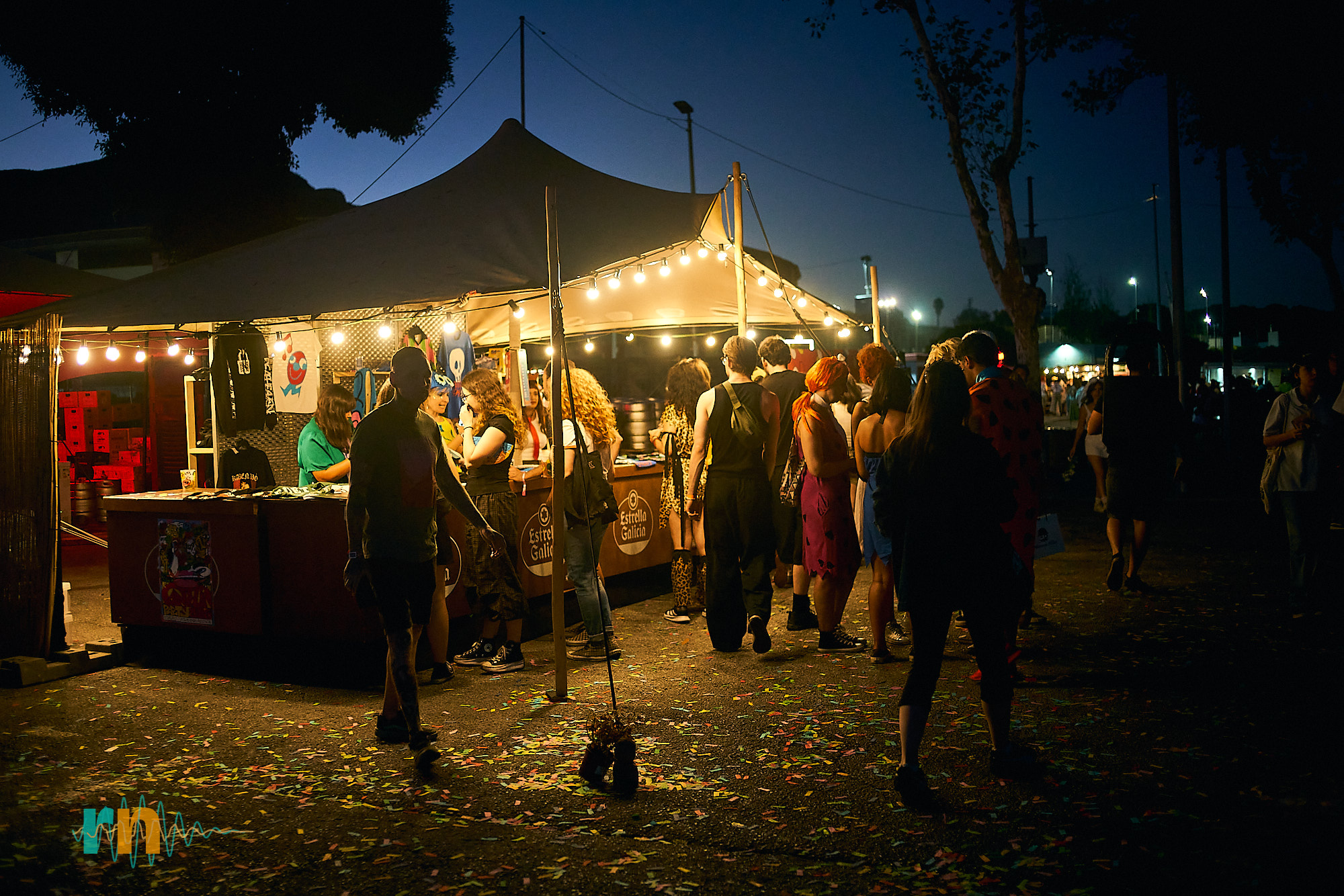
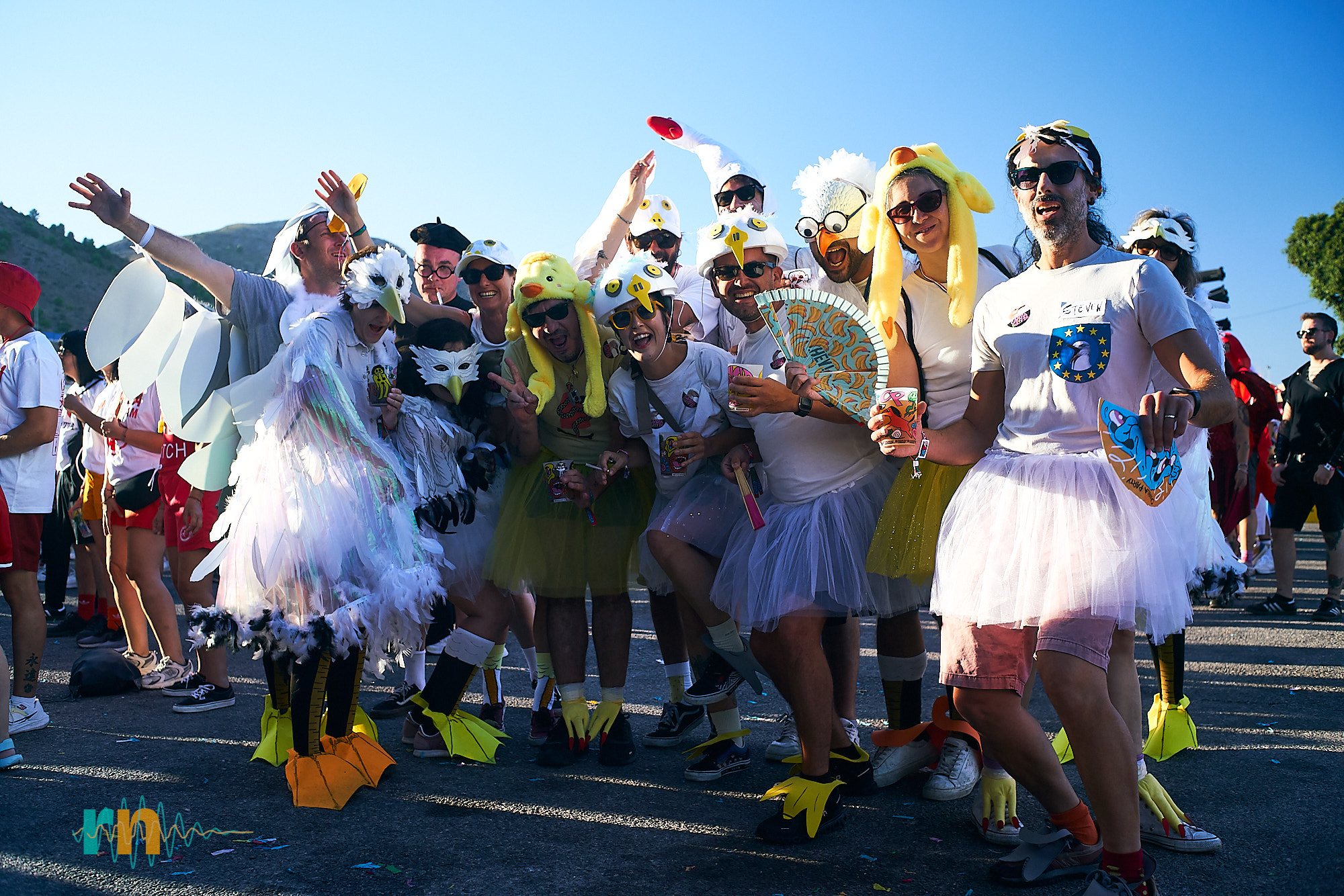
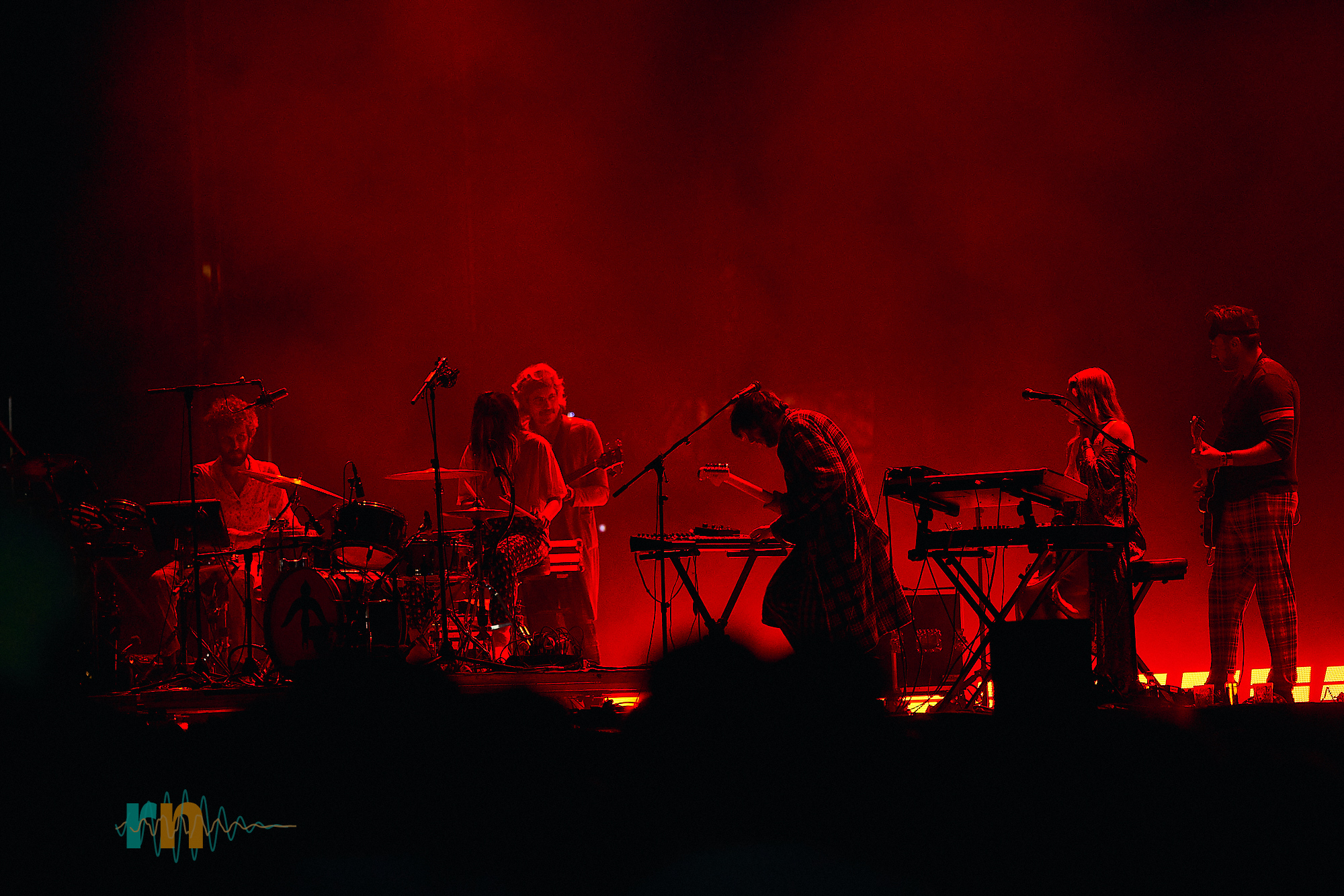
The layout of the site, on the other hand, strikes me as genuinely good.
Two stages placed very close together, roughly in an L shape, make it possible to execute one of the festival’s defining features perfectly: one concert ends and the next begins immediately.
On paper, that mechanism ought to create full-scale human migrations. Thousands of people moving from one stage to the other at almost the same time, while others stay behind eating, ordering something or travelling in the opposite direction.
And yet it works.
I do not remember feeling trapped in the crowd, having to force my way through desperately or thinking I would not make it to the next concert. The space absorbs those movements with surprising ease.
That does not happen by accident.
It is one of those design decisions that probably goes unmentioned precisely because it works.
And then we come to the sound.
This is where things change.
Because it was probably the most uneven aspect of the entire festival.
Some concerts sounded reasonably good and others sounded frankly bad. The worst thing was not so much that the sound was systematically poor, but that it was unpredictable.
You never knew exactly what you were going to get.
Thursday was particularly difficult, although it was windy that day, and anyone who has worked even briefly around an outdoor stage knows that wind can turn sound into a fairly capricious creature.
But the inconsistency did not completely disappear on Friday or Saturday.
And it does not seem to have been only my impression. Some reviews published after the festival pointed to specific problems. Basement were said to have opened with sound that never quite arrived, with one guitar too low and only part of the drums coming through. Melody’s Echo Chamber were said to have had vocals buried too deeply in the mix, to give just two examples.
Curiously, other reviews described some of those same concerts in much more favourable terms. And perhaps that is precisely part of the explanation: the sound was not necessarily poor all the time, but depended heavily on the moment, where you were standing and, especially on Thursday, the wind conditions.
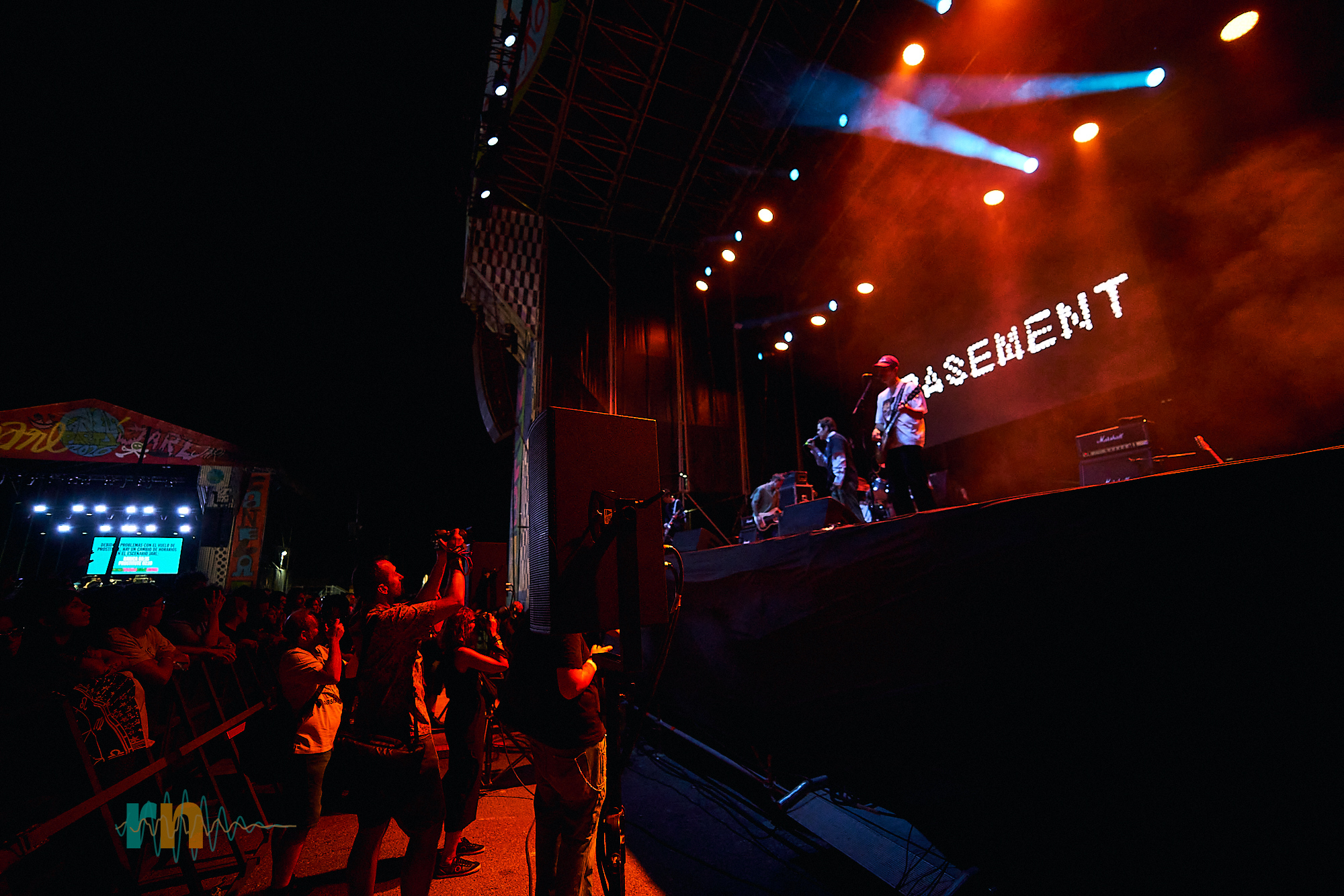
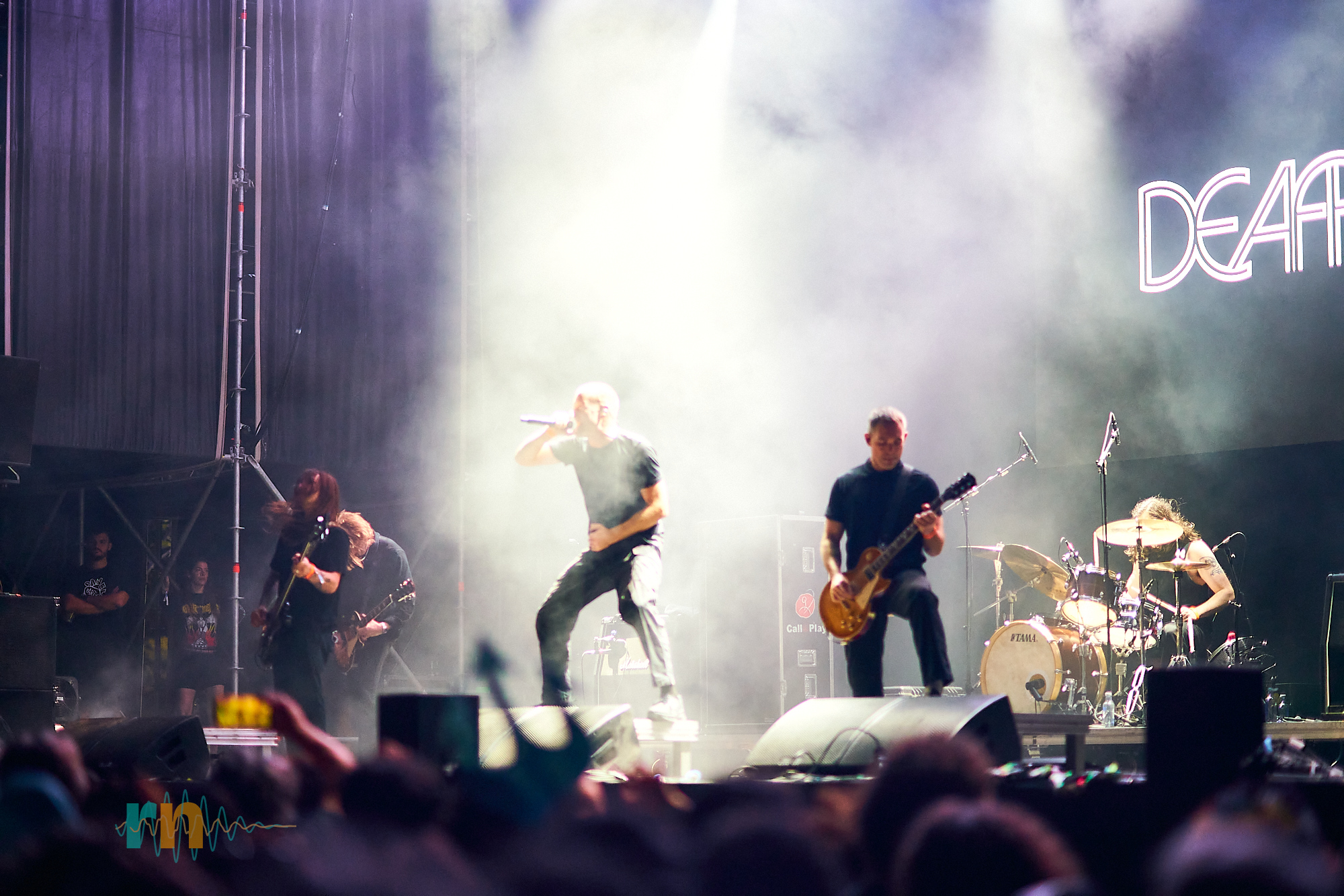
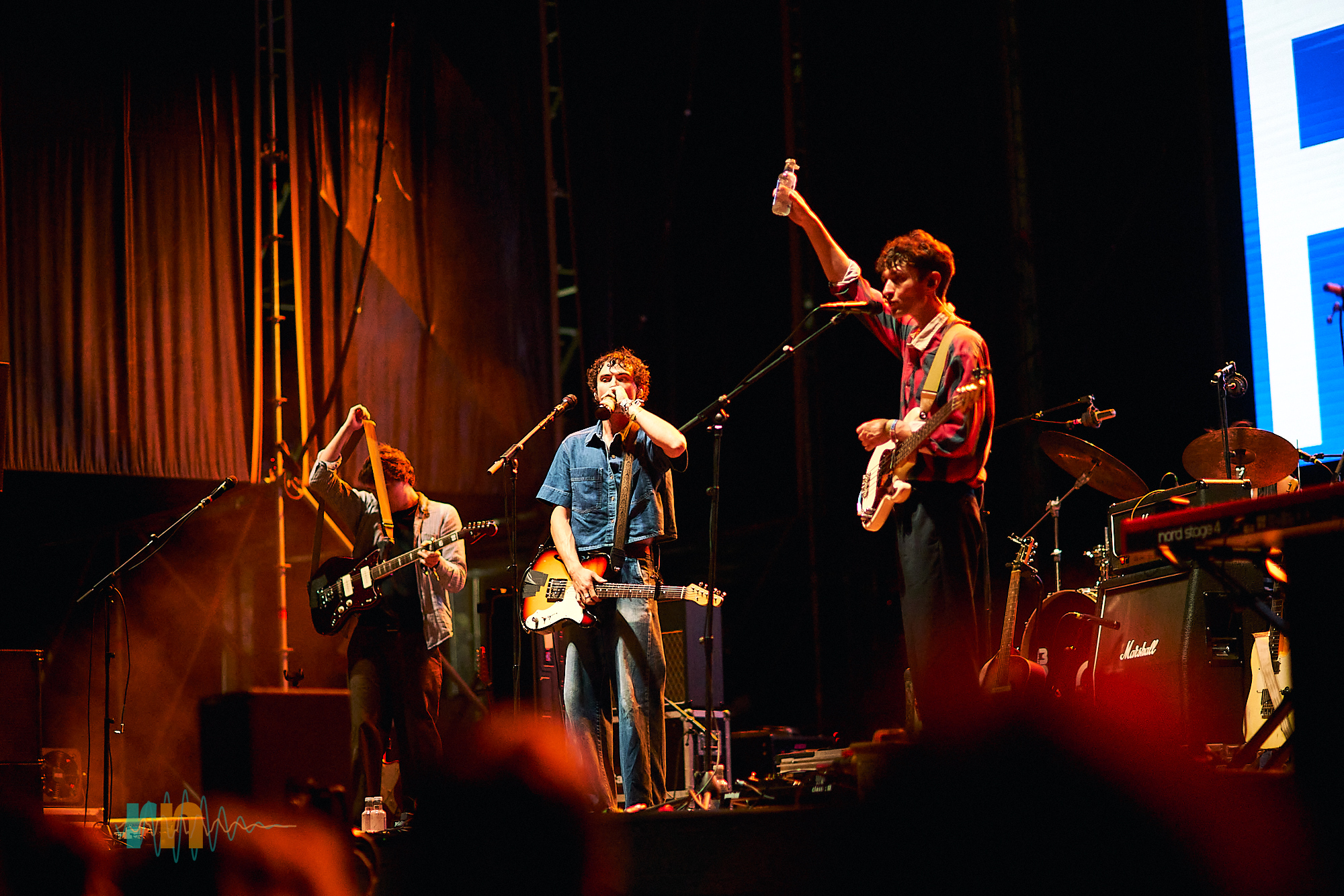
In that respect, Canela is still one rung below festivals with larger budgets and stronger commercial backing. It may be an unfair comparison, because festivals such as Warm Up and other established projects work with different financial and technical conditions.
But the difference exists.
At times I even had the impression that getting a concert to sound good depended too much on the engineer’s ability to solve a difficult situation and not enough on an infrastructure capable of guaranteeing a certain consistency. Which, mind you, is also a legitimate solution.
And at a festival where music occupies such a central place, that is probably one of the areas with the greatest room for growth.
Because this is precisely where Canela’s great paradox appears.
This is a festival that, for a certain generation, is beginning to represent something far more important than just another weekend of concerts.
Those of us now in our forties or fifties lived through another era.
We grew up watching the first FIB, created by the Morán brothers, come into being. For years, it made us discover bands, travel, meet people and understand that a line-up could be more than a collection of big names strategically placed to sell tickets.
Then what almost always happens, happened.
Corporate changes, sales, investment funds, growth, a transformation of the model.
And many of us were left a little orphaned by that FIB.
Not because it necessarily ceased to be a great festival, but because it ceased to be our festival.
Allowing for every possible difference —in size, history, budget and editorial direction too— there is something about Canela that recalls that feeling.
It is not exactly the same music, although there are plenty of connecting threads.
It is more a question of attitude.
The sense that somebody is building a line-up because they believe in those bands.
That there is an editorial vision.
That there is curiosity.
That who plays still matters before anyone begins thinking about how much each square metre of the site can earn.
The thought that whoever is behind it loves music and may well be standing next to you singing along.
And perhaps that explains part of the bond now forming around the festival.
Canela retains something that is becoming rare and exclusive: personality.


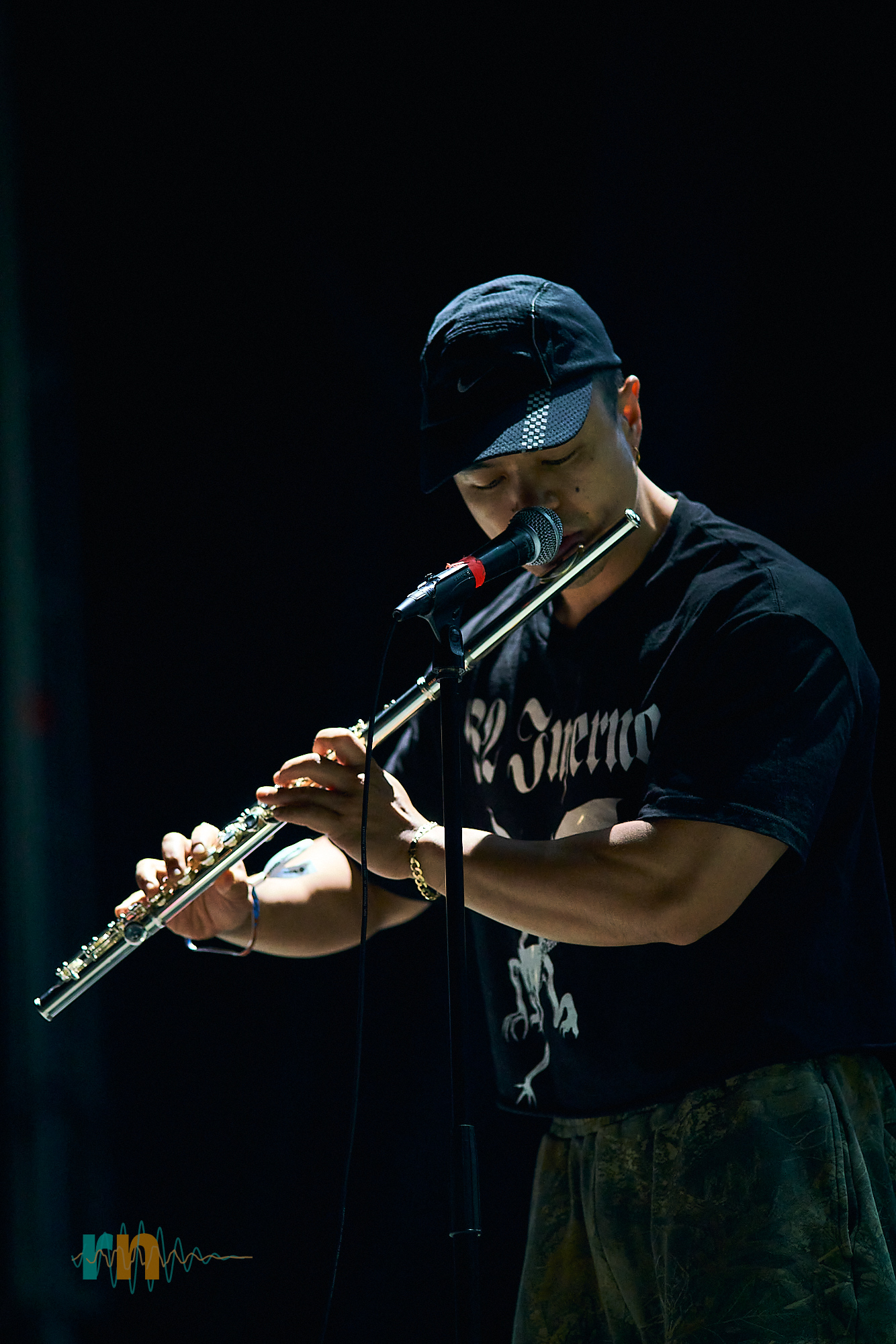
That does not mean everything should remain exactly as it is. Precisely because the festival is growing, it will have to decide what it wants to improve without losing what makes it recognisable.
The press experience is a good example.
Working as a photographer was easy. Very easy.
The organisation made access, entry to the pits and movement during the concerts straightforward. I never felt as though I were fighting an absurd bureaucracy just to do my job.
And that is hugely appreciated.
I did, however, miss having a press area.
A simple place to sit for a while, open a laptop, download photographs, write a few lines or simply rest during such long days.
It is something I have already found at festivals such as Warm Up or Degusta Fest, and it would make a great deal of sense here.
There is no need for a VIP room with canapés. A table, a chair, power and a little light can make a considerable difference to someone who has spent twelve hours working —and enjoying themselves.
They are details. But perhaps the future of Canela is precisely about details.
It does not need to become a mega-festival.
It does not need to cover every wall with logos.
It does not necessarily need to look bigger.
What it probably needs is to keep refining what already works, correct what remains inconsistent and grow without allowing that growth to devour its own identity.
Because there are plenty of festivals capable of selling a lot of tickets.
There are far fewer festivals capable of making you feel that you are discovering something.
Perhaps that is why some of us, after many years of feeling a little orphaned, once again have a festival we feel is ours and which, despite lacking that beloved old hippie corridor, inevitably reminds us of those early editions of FIB.