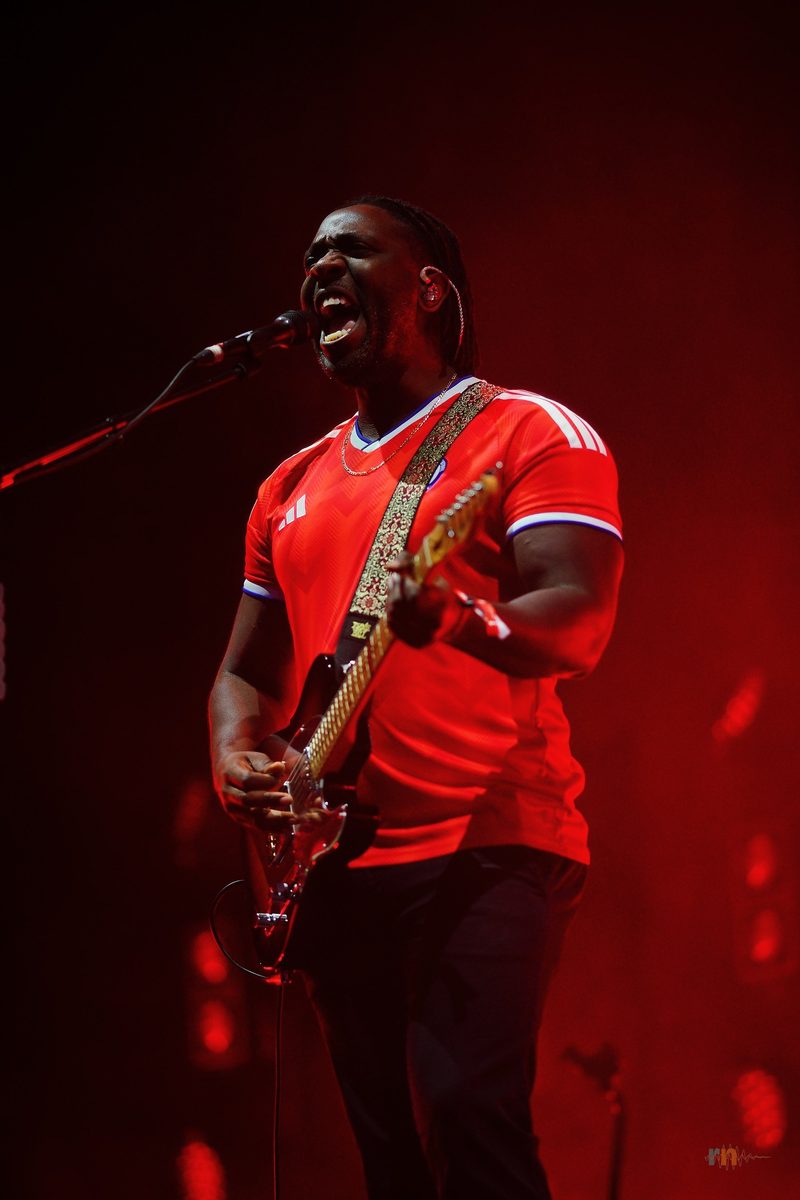
Published
WARM UP 2026 closed with a big number: 52,000 people, two days, three and a half stages and La Fica functioning again like that parallel city where Murcia is filled with bracelets, glasses, crossed schedules, selfies and people trying to find themselves in the middle of the noise.
But beyond the number, this year there was something that weighs almost more for me: the festival was walkable.
I say this as a particular kind of festival obsessive: one of those people who arrive early, before the grand gestures and the posing, when there are only gates, wristbands, heat, nerves and the first bands playing for those of us who still believe a festival begins at minute one. For years, queues were one of WARM's endemic problems: wristband collection, slow entry, early bottlenecks and the absurd helplessness of hearing the first band begin while you remained outside, staring in disbelief from a line. This year, at last, that did not happen. Entry was swift, and the organisers corrected one of the festival's historic failings. When something improves, it deserves to be said.
It also sounded very good. The sound on the stages was at a high level: clean, powerful, balanced. And the schedules were met with almost suspicious punctuality. Each concert started when it was supposed to start and ended when it was supposed to end. It seems basic, but in a festival the basics, when they work, even generate uncertainty.
Overall comfort was better than in previous years. I saw neither major crushes nor the human bottlenecks through which you advance on faith, sweat and resignation. Perhaps attendance was lower, the bill spread the crowd more evenly or the movement of people was simply better managed. Whatever the reason, I never felt trapped or frustrated by an inability to move. At a festival of this size, that is no small achievement.
The toilets were much better managed, without the endless queues that turn a basic human need into a test of psychological endurance. The food area, by contrast, did its job without distinction: functional and, at times, adequate. Prices are another matter. Five euros for a small beer may now be festival standard, but familiarity does not make it reasonable. Muscle spasms are common too; nobody celebrates those.
The line-up followed the pattern of recent years: approachable indie, domesticated indie, international names, late-night electronics, nostalgia, celebration and the occasional well-placed oddity—enough to stop those of us still searching for something sharp from ending the night hugging a plastic cup and wondering when we grew up.
The Ballantine's stage still makes a lot of sense there, that corner at the entrance, to the left, which for some has become almost a small homeland. The big names or the group that everyone wants to upload to stories don't come through there, but many times the most interesting things appear: less obvious bands, weirder proposals, concerts that don't come as well-known. For those of us who are not exactly into indie with hands up, plasticized happiness and karaoke meat, that stage works as the secret pocket of the festival.
Musically...
Friday left a day more varied than it might seem at first glance. Gins fulfilled their role of immediate celebration: direct songs, expansive attitude and that point of a band that knows perfectly where they are and what a part of the public expects from them. It was not the concert to look for edges, but to lift the afternoon with skill and a good pulse in that very difficult early hour.
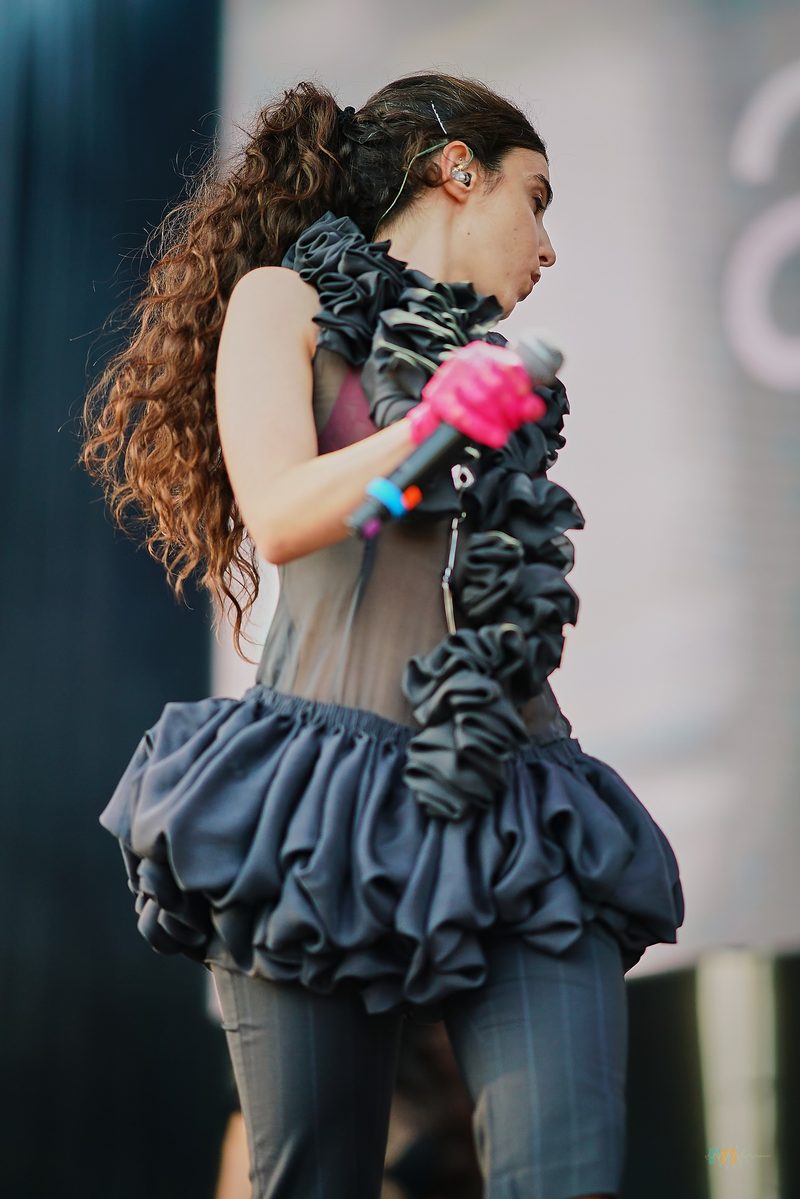
At the other extreme, AMORE justified the less accommodating corner of the bill. The set occupied a strange space between pop, the twisted and the generational, held together by the spell of María's uninhibited elegance.
Biznaga, for his part, were dry electricity, nerve and knife. There are songs that come in better with some bad temper.
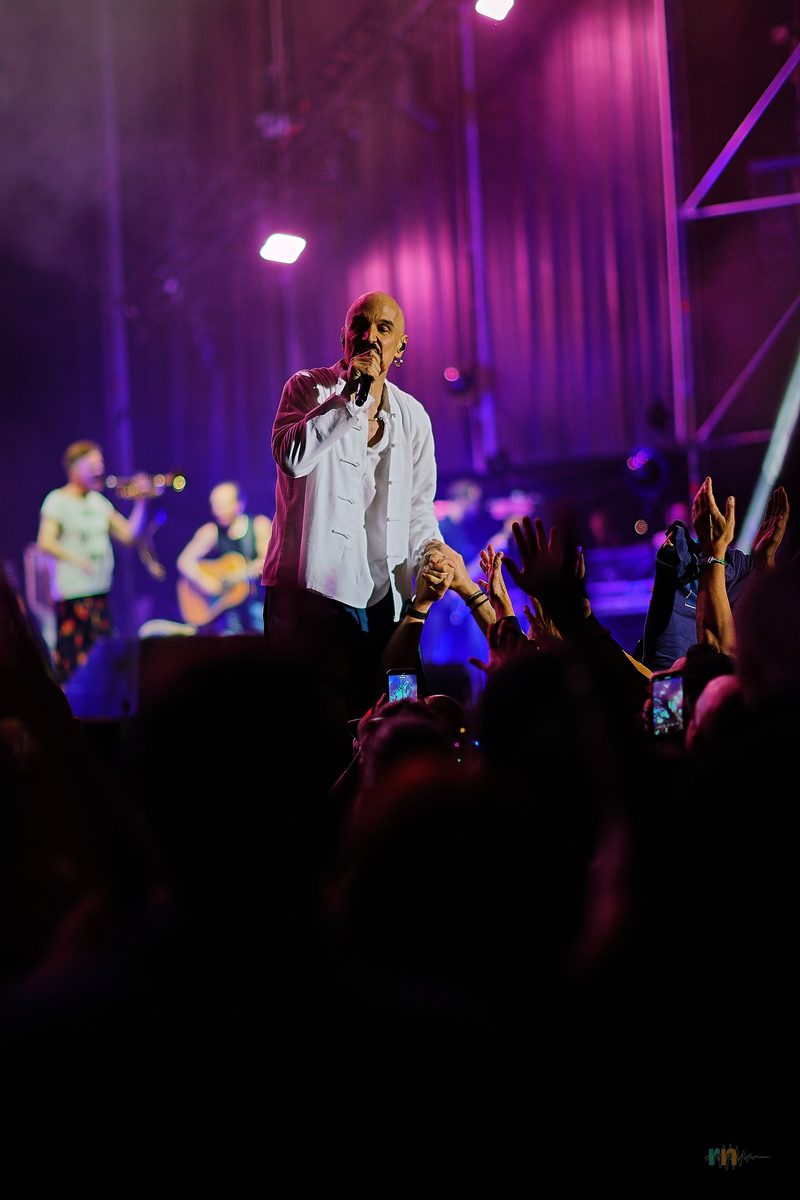
James were the big moment on Friday. They arrived as an in-extremis addition, with the rare chance of filling The Kooks' spot, and ended up putting on the most solid concert of the day. It was not just a matter of repertoire, but of presence, sound and craft. A huge band playing a huge band, without the need for confetti (thanks). Tim Booth brought body, closeness and charisma, and the concert had that unexpected gift that sometimes saves a day.
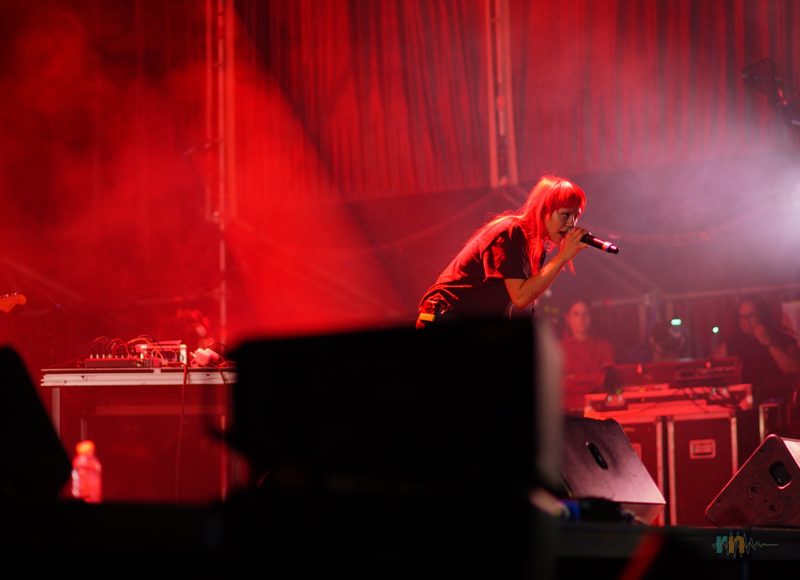
Fortunately I caught part of AKRIILA's set, and it was a revelation: an incendiary, visceral and delirious performance, a charge of uncomfortable electricity fired at point-blank range without warning or apology. Strange, intense and full of personality, it occupied the stage not to please but to unsettle—and, in doing so, to inspire devotion. Not everyone would connect with it, certainly, but that was part of the thrill. On a largely comfortable bill, AKRIILA sounded like interference from the sky.
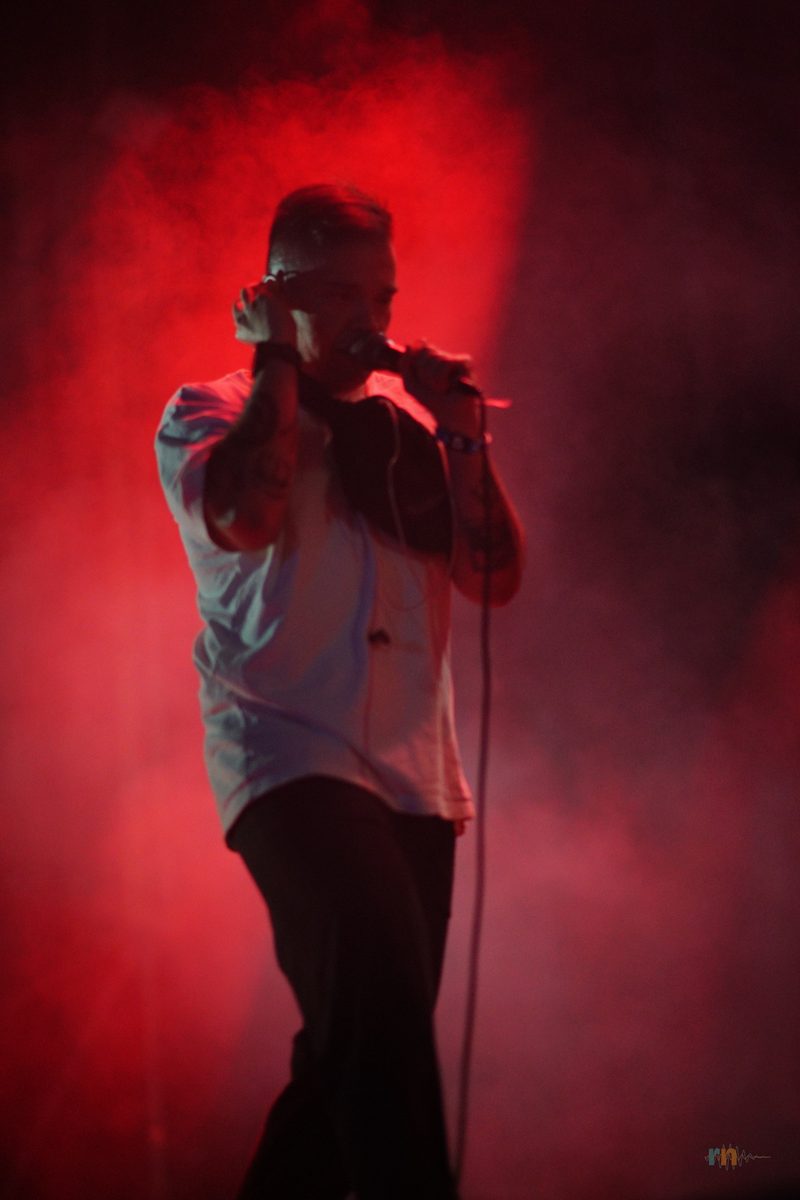
And VVV [Trippin'you] closed my Friday by taking it to another place: darker, sweatier, more at dawn. His mix of electronics, noise, club drive, heartbreak and a voice from beyond the grave fit very well with that part of WARM that does not seek so much the chantable song as the physical blow. After a day of a lot of sugar indie, it is always good for someone to turn off the light a little and raise the temperature on the other hand.
Saturday was, above all, the day when WARM best showed its two sides: that of the big name and that of the refuge stage. And it should be said clearly: with the overlaps that exist in a festival, no one sees everything. Or at least no one with a single body. So I speak from there, from what I could see, cross, and photograph.
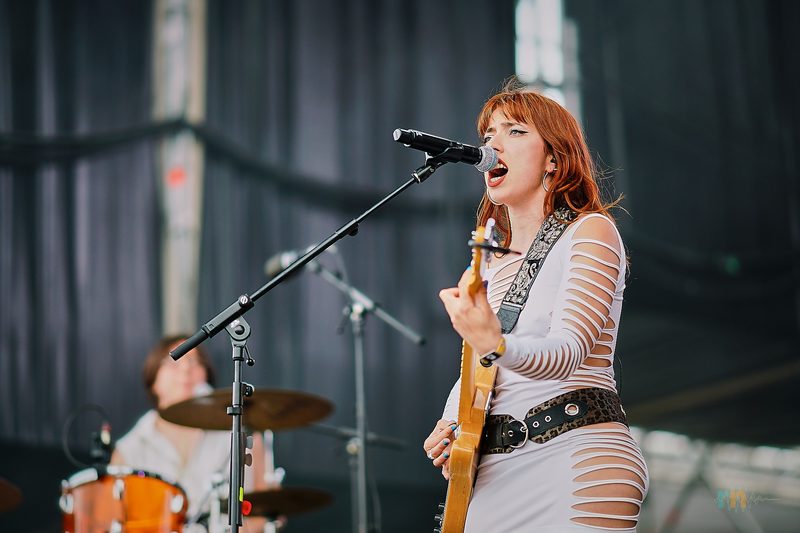
Repion were one of the first serious shocks of the day. Guitars, nerve and that feeling of a band that was not filling the schedule, but rather taking advantage of it as if it were something important to them. On an afternoon where it is still difficult for the venue to wake up, they came out with a much appreciated energy. No fireworks. Songs, riffs and saliva.
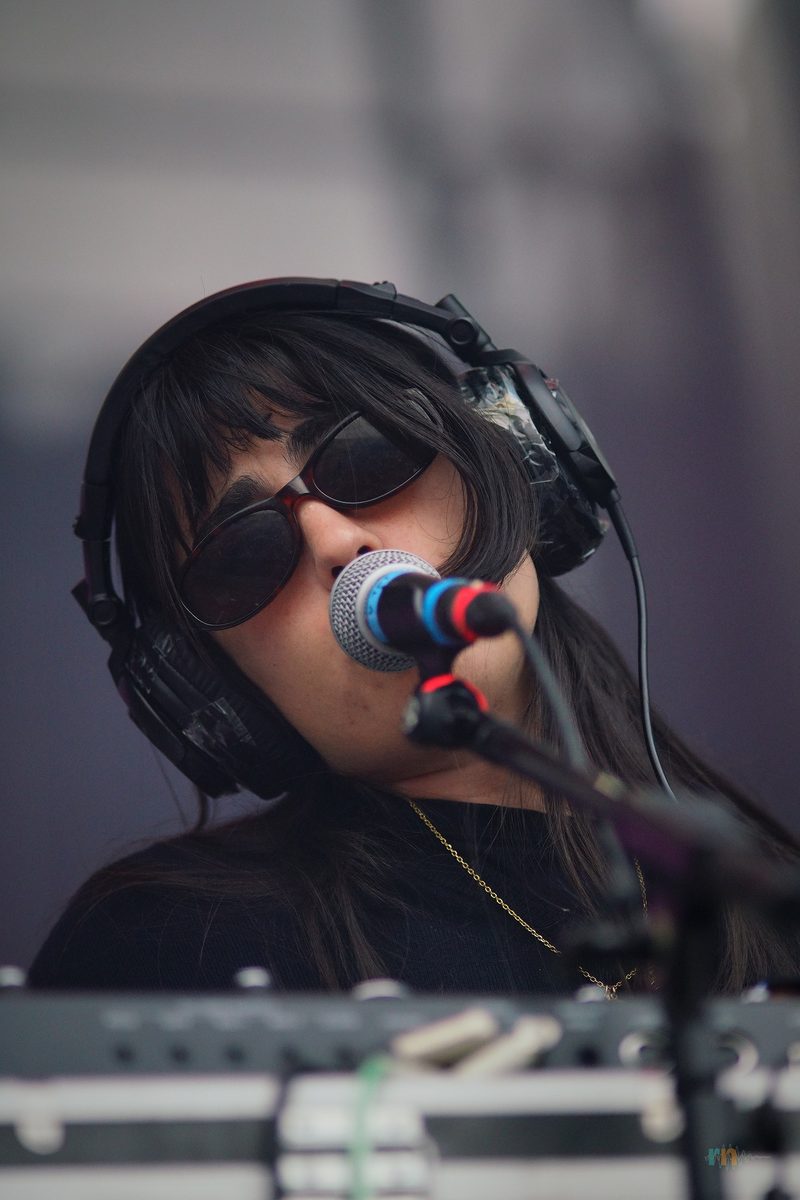
Las Petunias fit very well into that Ballantine's territory where the festival allows itself to get a little messy. Direct punk-rock, dirty freshness, and a stage that in the end ended up packed, it was a surprise to see how the audience arrived enchanted by that mix of bouncy and energetic with good melodies and a very dignified attitude on stage.
Bloc Party were one of the day's more delicate propositions: because of their history, their generational weight and the fact that certain songs are heard not only with the ears, but with everything you were when you first encountered them. The concert inevitably became a reunion with part of your past. When certain tracks appeared, the body reacted before the mind. Yet the set was uneven too, the band seemingly wrestling with its own mythology, with expectation and with time. It was no disaster, but neither was it the emotional steamroller of earlier years.
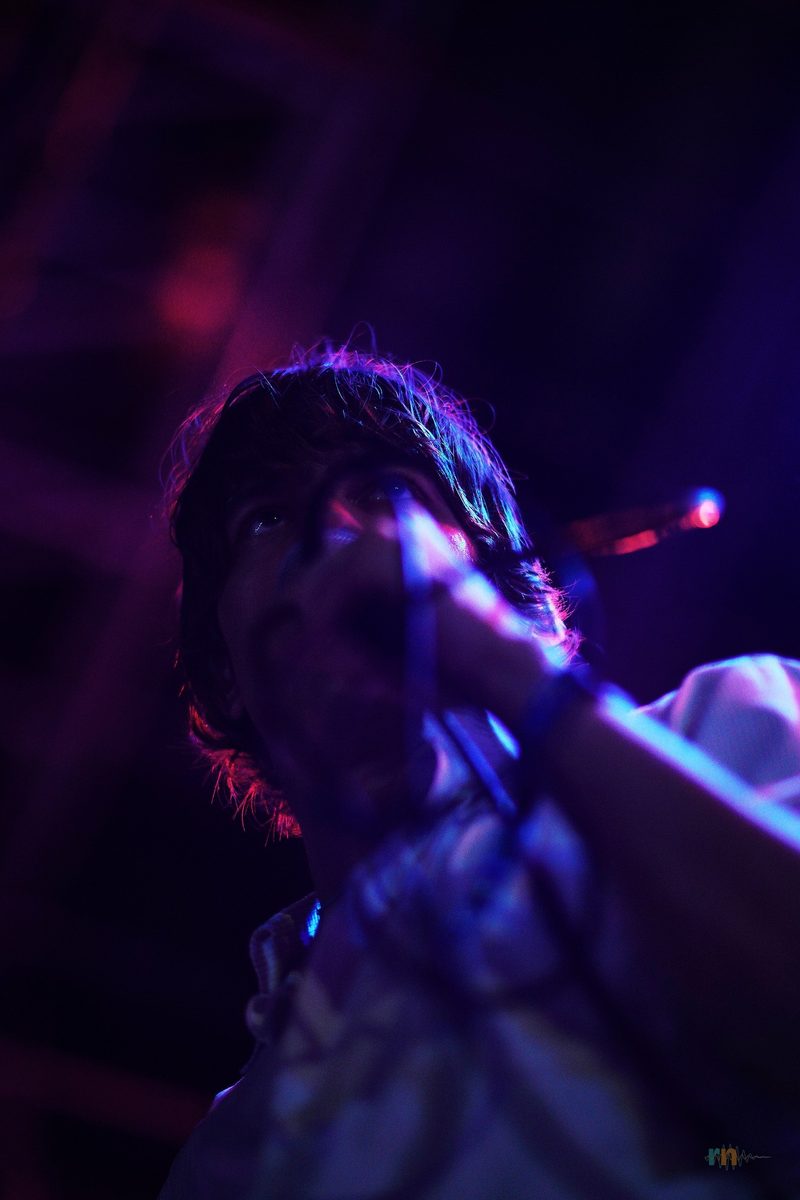
Deadletter were another matter: here was the momentum of a young band arriving without inhibition, permission or a burden of nostalgia. Tense post-punk, saxophone, British nerve and a physical approach to performance justified digging into the bill's smaller print. Vocalist Zac Lawrence became a kind of Ian Curtis 2.0, prowling the stage without blinking like a caged animal—reciting, shouting and occasionally singing. Even so, the set lacked one final degree of impact needed to conquer the night.
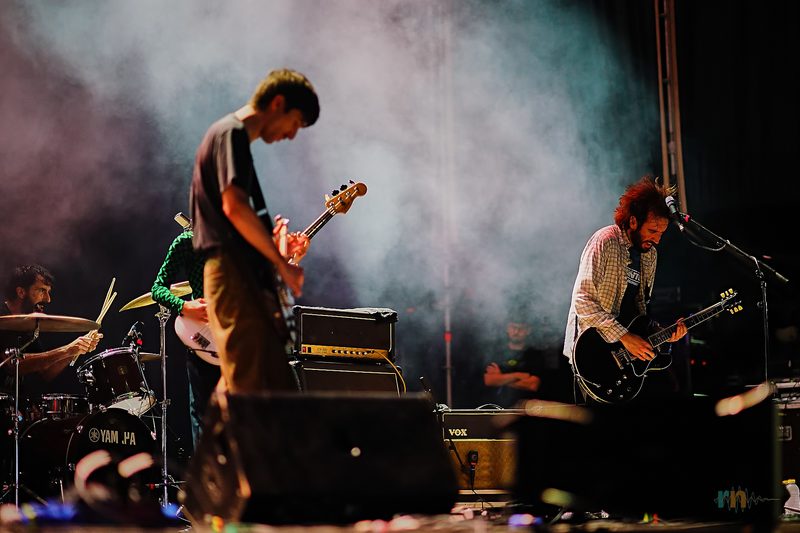
And then: make way for Viva Belgrado. For me, this was Saturday's defining concert. Less postcard, more wound; less festival showcase, more direct physical and psychological release. In such a comfortable, orderly and enjoyable edition, it was a relief to encounter a band capable of breaking the surface and leaving something burning underneath. Viva Belgrado did not come merely to play. They came to spit out storm and pain, fire and madness: an intense, visceral catharsis that turns you inside out, destroys you and—only at the very end—saves you.
The overall conclusion of the festival has been very good, there are still errors, gaps, conflicting points to be solved such as the restaurant area, inclusion of large rest areas, the motionless crowd that blocks the central stage part. But still, this year I left with a different satisfaction. Not only having enjoyed two days of concerts, photos, races between stages and destroyed feet. I'm talking about the feeling of someone who has attended almost every edition, has seen this festival grow, has seen how it became big, how it went wrong, how it became complicated and how it even seemed like it could lose its footing.
Festivals get old too. Some do it wrong: they bloat, become uncomfortable, lose their fun, or end up becoming a franchise with Ferris wheels. This year, however, WARM gave me the opposite feeling: that of being in front of a more mature, more established and, above all, more enjoyable festival. Not perfect, of course. But I do live. And after so many years, so many changes and so many uncertainties, that produces an intimate joy that ultimately makes you return home with a sincere smile.
The verdict is clear: WARM UP 2026 was a solid, comfortable and well-executed edition. That was not simply down to the bill or the final attendance figure, but to the festival grasping something fundamental: growth is not only about admitting more people, but ensuring those people do not have to fight the event itself in order to enjoy it.
And that, from the ground, with a camera around your neck, your feet crushed and the feeling of being one among thousands, is very appreciated.
Thanks, WARM.
Best concert of Friday: James
Best concert of Saturday: Viva Belgrado
Surprise: AKRIILA
Saturday Revelation: Deadletter
Best shelter: Ballantine's stage
Best script moment: the in extremis incorporation of James.