Published
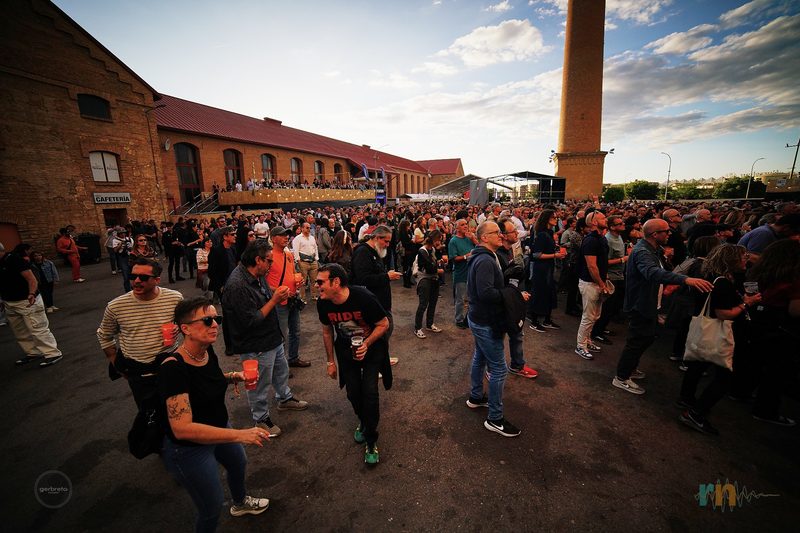
The Degusta Fest returned to the Fermasa venue this year with few visible changes compared to its first edition. And the truth is that in this case it does not have to be read as a lack of ambition. There are festivals that are obsessed with growing, adding layers, multiplying stimuli, but the Granada event seems to want to play at something else: a manageable scale, a clear proposal and an experience that, at least from within, was lived quite comfortably.
The most obvious difference compared to last year was the influx. In the absence of an official published figure, the impression on the ground was that of a less attended edition than that of 2025. It must also be put in context. The festival coincided with a particularly competitive weekend in Granada: La Plazuela on Friday and Viva Sweden on Saturday, two events with an evident crossover of audiences capable of seducing the same natural audience of the Degusta Fest profile.
Turnout is one question; the audience experience is another. The smaller crowd had an immediate effect: everything flowed more easily. There were shorter entrance queues, less waiting at the bars, less pressure on the toilets, fewer bottlenecks and comfortable movement around the site, even when the largest crowds gathered in front of the stage.
Fermasa works reasonably well within its own limitations. It is not a spectacular or especially scenic venue. The main stage remains sober, almost bare, without great visual displays or too much ornamental pyrotechnics. But that simplicity doesn't necessarily work against it either. There is something quite honest about a festival that doesn't try to disguise itself as a macro event or fill every corner with commercial tics or unnecessary photocalls.
Here the center was quite clear: music, food and comfortable transit.
Furthermore, the gastronomic part was more established this year. The catering stalls were well planned, well distributed and aimed at truly supporting that half of the festival's name: the “Degusta”. At other events, food functions as simple survival fuel: something you buy between concerts so you don't fall to the ground. Here, however, a more careful intention is evident.
There was no chaotic accumulation of stalls or sprawling, indiscriminate offer. Instead, the food occupied a recognisable, well-integrated area designed to create an experience of its own. That balance is harder to achieve than it looks. Combining music and gastronomy can work beautifully or end up resembling a bizarre Frankenstein's fair. This edition got the formula right: the catering neither swallowed the festival nor served as mere decoration.
Another great strength was the large central hall retained from last year: an indoor space where people could rest, sit down, escape the afternoon sun, step away from the music and breathe without leaving the festival. It may sound like a minor detail, but it is not. On a festival circuit increasingly designed to push audiences from one stimulus to the next, a genuine pause area feels almost revolutionary.
A decompression chamber between concerts. A place where the body stops functioning in survival mode and remembers that it has also paid to be comfortable, not just to resist.
Perhaps the best detail in the festival's machinery was something apparently secondary: the DJs between sets. Such a simple idea, and still so uncommon. It matters. Some festivals treat changeovers as an administrative procedure: awkward silence, a soulless playlist from beyond the grave or, worse, advertising forced into the precise moment when the audience needs to remain inside the event's atmosphere.
That cuts the power, cools the atmosphere, and ultimately takes you abruptly out of a good, or not so good, live trip. The festival did just the opposite. The DJs integrated into the scene in a splendid and brilliant way. Good selection, good volume, good sound and music very aligned with the spirit of the festival.
Leaving aside the distance, it is something that reminded us of the first years of the FIB, when one of the most endearing things was precisely what sounded like between performances. Then that, like so many good things, was lost: advertising entered, continuity disappeared or the intermission began to be treated as a subtle way of sending you to consume.
That was probably one of the great successes of the event: understanding that a festival does not only happen when there is someone playing on stage. It also happens in the margins, in the transitions, in that moment in which you decide if you are going to get something to eat, if you stay close to the stage or if you just keep moving your head because someone has said the exact topic.
Technically, the overall sound was adequate. It was not memorable, but neither did it feel disastrous or involve a constant struggle with the mix. Call it a seven out of ten: good, functional, sufficient. Some sets sounded excellent; others were more ordinary, flatter or less defined. Overall, the sound did its job without becoming either a problem or the main attraction.
Where there was impeccable performance was in punctuality. The schedules were met very precisely, something that is beginning to be the norm at many festivals and which should be appreciated. Long gone are those times when people began to timidly whistle as a signal between complaint and nervousness. With only one scenario, punctuality is key. There are no overlaps to cushion delays or alternatives while you wait. If a concert is delayed, the entire day's programming is jammed.
It didn't happen at Degusta. The gear worked and that reinforced the general feeling of an organized, simple and comfortable festival.
In the end, the event left a fairly clear image: that of a festival that was less crowded than at its premiere, but better enjoyed by those who were inside. An event still under construction, with room for growth and with open questions about its capacity to attract people, but also with an increasingly recognizable editorial identity: human scale, well-integrated food, friendly traffic, few artifices and an organization that, essentially, worked.
And maybe that's part of its value. In a calendar saturated with events that compete to see who shouts the loudest, the Degusta Fest proposes something simpler: spend the day, eat well, listen to music, move without suffering and not feel that you have paid to enter a doped amusement park. It is not little.
Friday
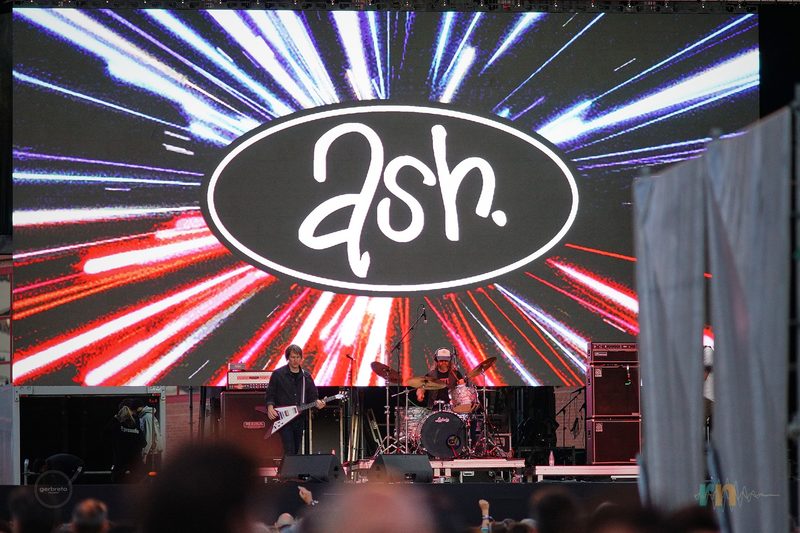
Ash arrived on Friday as that type of band that doesn't need much explanation: three musicians, sharp songs and their “classic” way of understanding power pop, nothing more, and nothing less.
Tim Wheeler appeared with his Flying V, a guitar that looked as if it had been designed to summon demons in a heavy metal pavilion and that contains its background: in Ash's melodic luminosity there has always been a fairly clear love for the hard riff, for a certain heavy epic and for the guitar muscle well hidden between choruses. The problem was that the context did not help them. A large stage, during the day, with only three people on it, can look like a “For Sale” lot.
Not because the band doesn't play well, they play with craftsmanship, punch and solvency, but because visually it is difficult to fill so much space with such a bare line-up. Ash delivered, left recognizable moments and remembered that they have songs, but the concert had some retained electricity. There were the songs, there was the attitude, there was the guitar in V, but perhaps one more point of volume, air and forcefulness was needed for it to catch on.
Carlos Ares played at the opposite end. If Ash seemed like three guys trying to tame a pharaonic stage with songs, his thing was to occupy everything and more: musicians, devices, scenery, lighting, artifacts, movement, costumes and energy. Let me be clear that this is not my musical field, and that should be said up front, but it would be unfair not to recognize that the show was perfectly directed towards the audience that had come to see it.
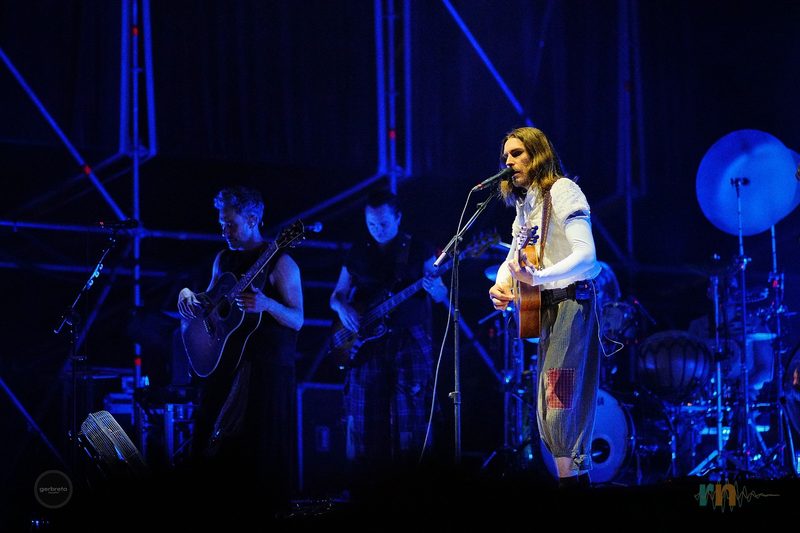
Ares came out plugged in, with a costume halfway between Robin Hood and Green Arrow, with a very elaborate staging designed to build a total audiovisual experience more than a simple concert: large band, atmosphere, narrative and a constant feeling of pushing upwards.
Anyone unmoved by his world might find it grandiose or over-designed, but his fans received exactly what they expected: intensity, melody, commitment and ambition. On a festival stage capable of swallowing the unprepared, Carlos Ares did the opposite: he filled it completely.
It was not the concert that touched me the most musically, but I do admit that it was one of the ones that best understood where I was, what I was there for and what I had to do.
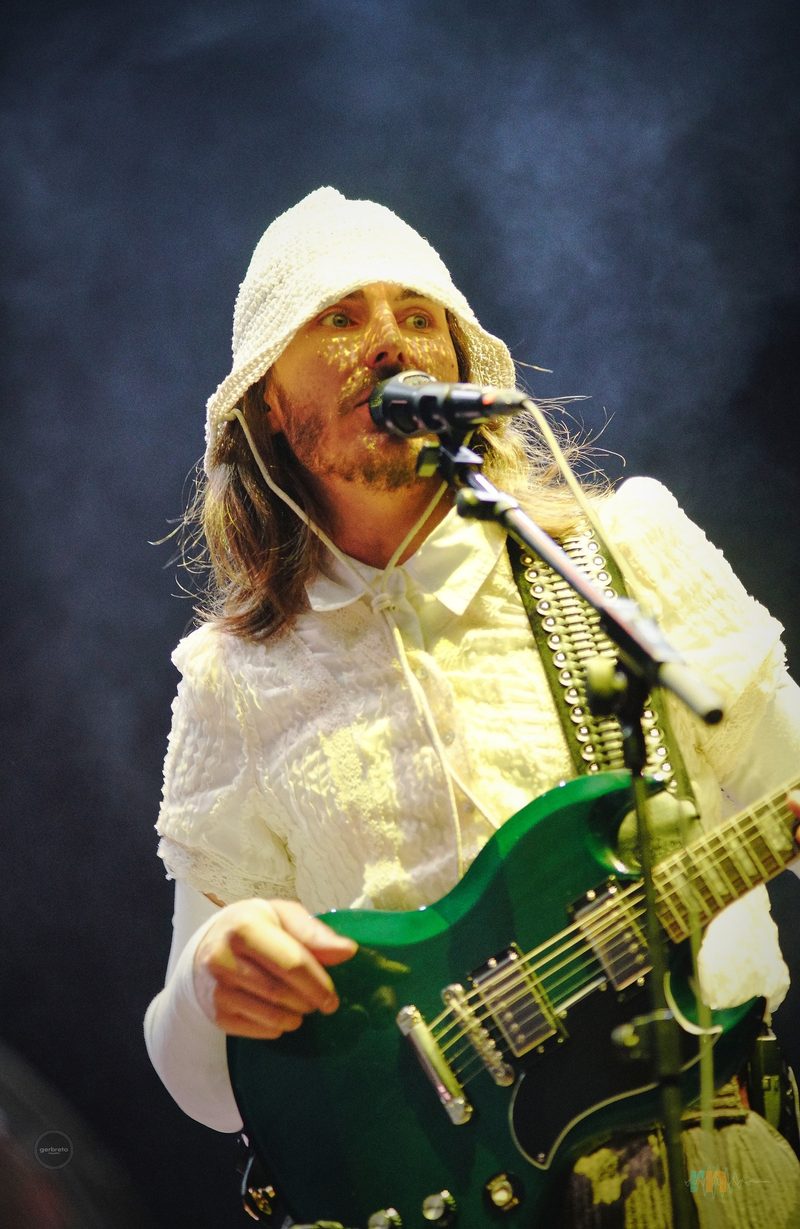
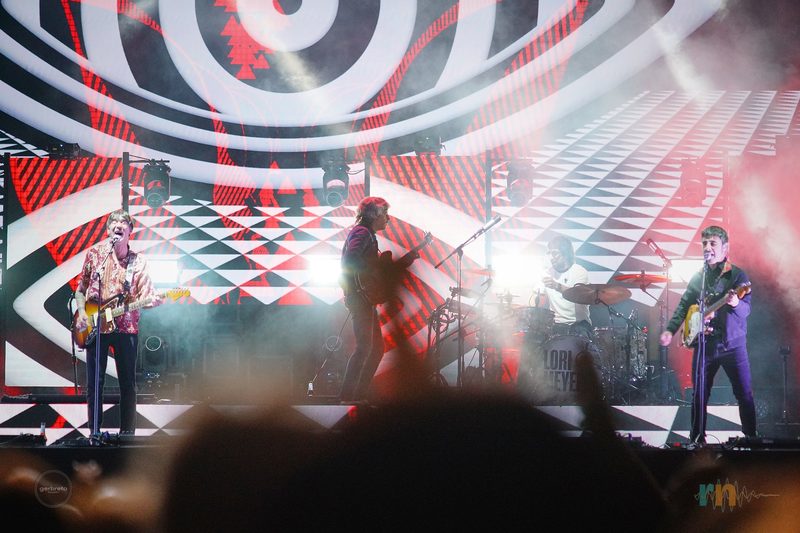
Lori Meyers closed Friday playing at home, or almost, and that always gives them an obvious emotional advantage. But it also left me with a somewhat uncomfortable feeling: they are becoming a band that knows perfectly how to activate their old anthems, but that seems to continue looking for how to make that past coexist with their present. The concert involved a lot of craftsmanship, hits and an already well-oiled machinery, perhaps too much.
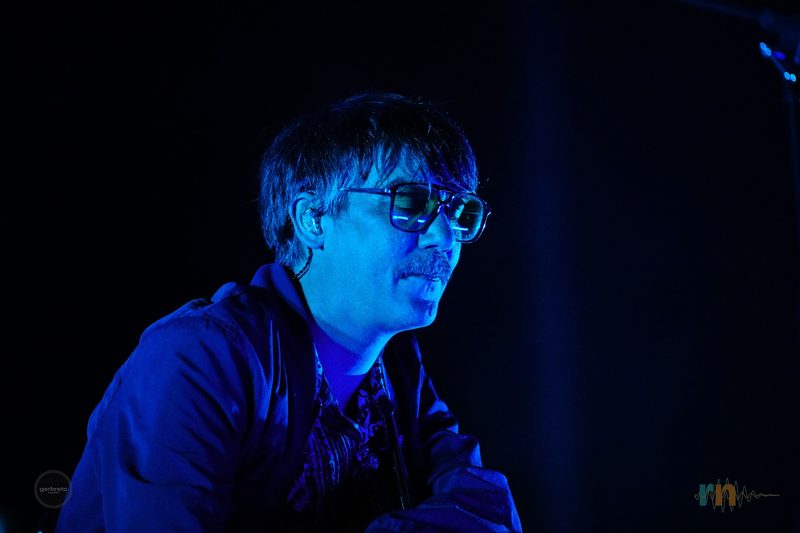
There are moments when Lori Meyers works almost on autopilot: the classics come in, the audience responds, the memory rises and everything seems to return to its place, hairs down. The problem appears when they try to sneak new compositions into that same story. There is an important gap between the Lori Meyers of before and the Lori Meyers of now.
I'm not just talking about better or worse songs, but almost about two different groups: one with the generational electricity of their great albums and another more recent, more settled, less urgent, perhaps more adult. I also didn't see that feeling of a crowded stage, of an untouchable national band, that they could project three or four years ago.
They are still great, they still have a repertoire and they still know how to close a night, but it gives the impression that they are slowly descending from that peak from which they seemed to lead the national mainstream indie. They haven't fallen, but they no longer seem to be looking down from above. And abusing your assets and not being able to reinvent yourself can end up devouring you.
Saturday
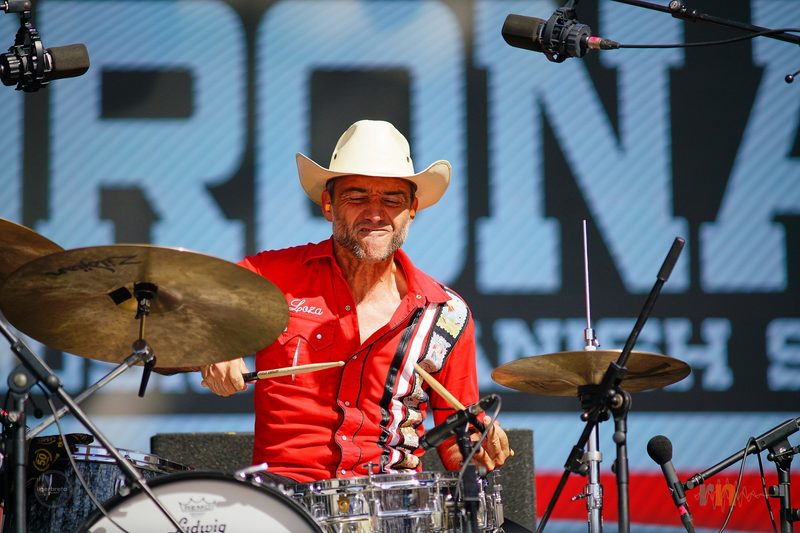
Los Coronas appeared at one of those thankless hours when a festival is still stretching awake: a sparse crowd still gathering, the sun beating down and the stage resembling an immense empty field. None of it mattered. They arrived, struck, delivered and left. That simple, that direct. At heart, rock should often work exactly like this: arrive without permission and make the quality of the work clear without a grand speech.
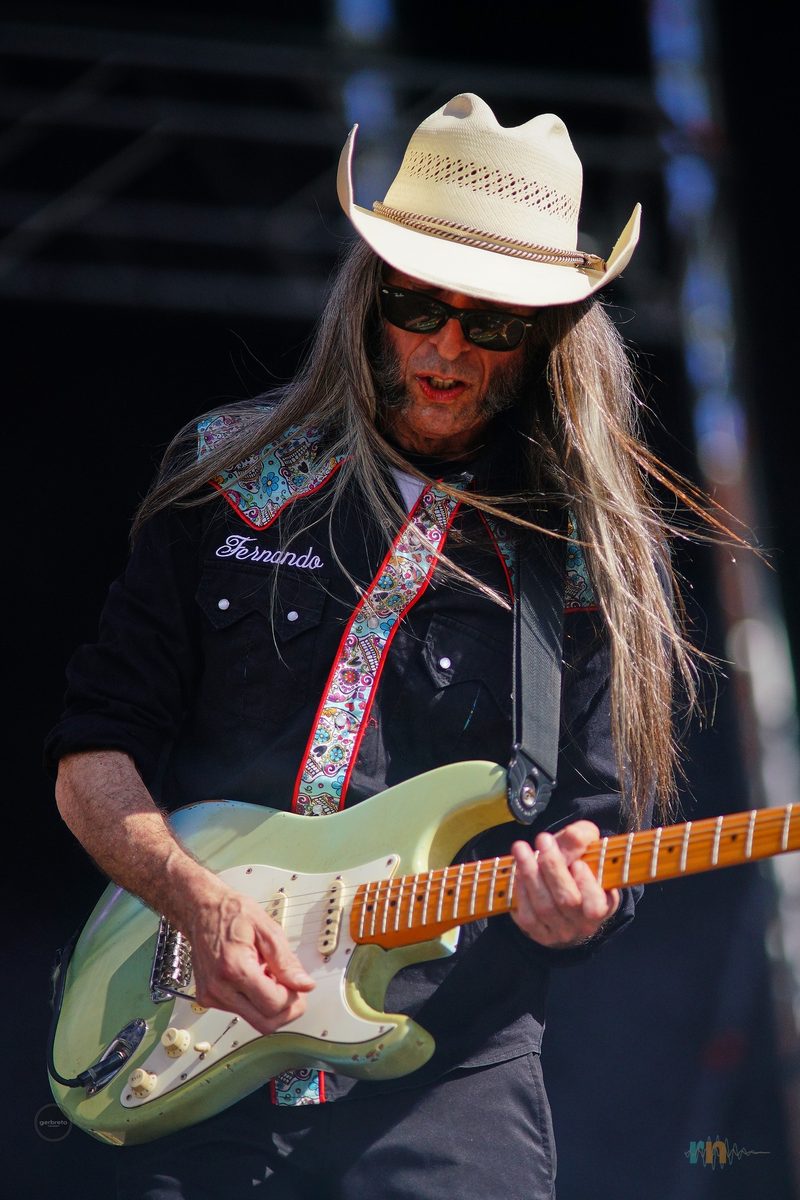
Their instrumental surf worked as the perfect start to Saturday: guitars with road dust, rhythm, solvency and that feeling of a band that knows exactly where it belongs. They didn't set Fermasa on fire, but they didn't need it or want it either. They emptied themselves and got the festival underway with elegance.
Redd Kross were one of the most pleasant surprises on Saturday. They came with that banner of a cult band, veteran, eccentric and a little Martian, but they didn't limit themselves to posing as illustrious survivors from another era. On the contrary: they delivered with an exotic mix of professionalism, enthusiasm and sense of humor. They were fun, colorful, kind of tacky in the best possible way, but also very committed to the concert.
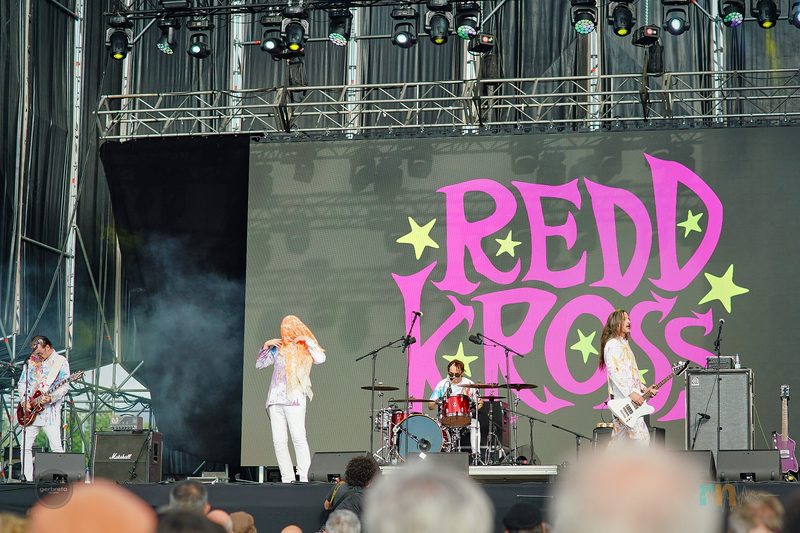
Redd Kross came out to play at a difficult time, still daylight, and managed to capture something very valuable: the feeling that it was still alive, that behind the history there is enthusiasm and dedication. They were not alternative archaeology. They were a strange, electric party and much more serious than it seemed.
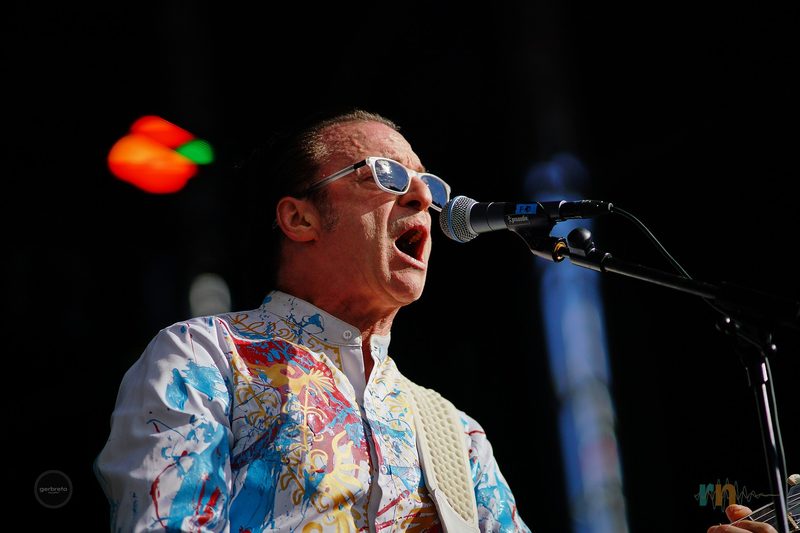
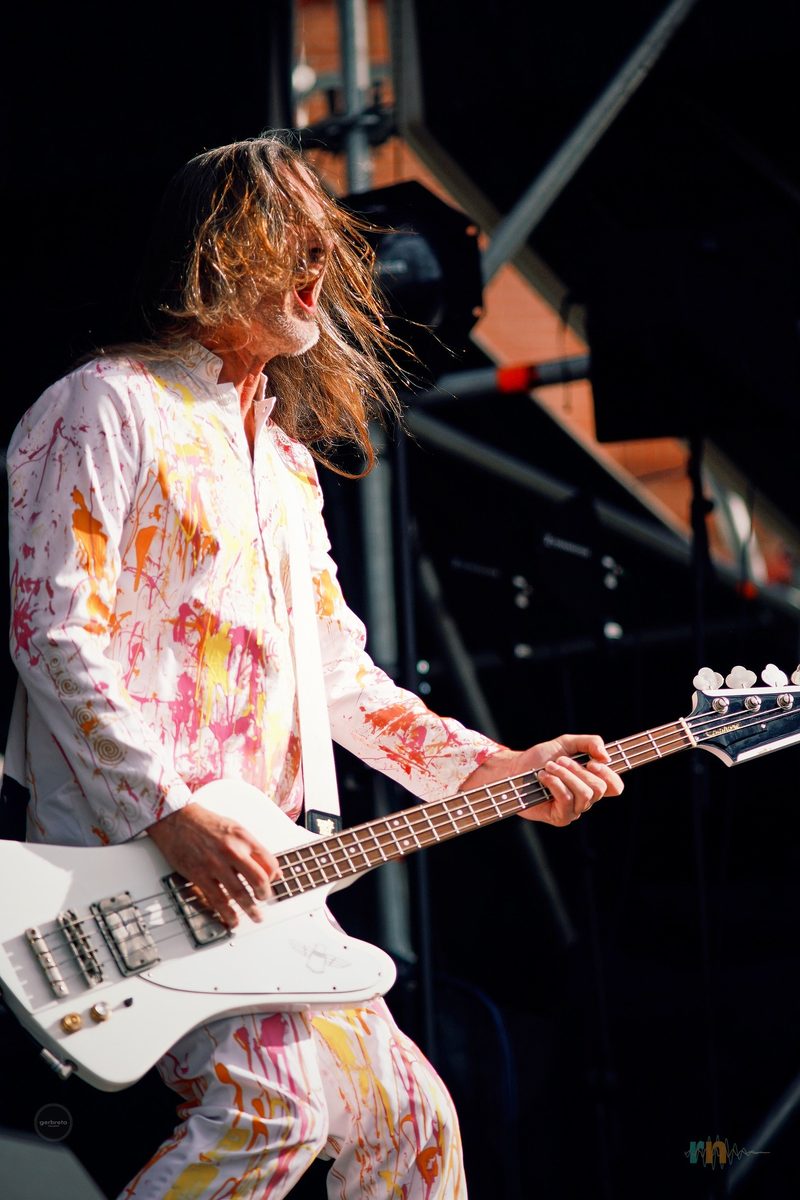
The Charlatans delivered the festival's loveliest and most affecting concert. Their sound, execution and elegance all surprised. Technically excellent, they brought a strong set and an obvious connection with a legion of followers who formed one of the day's most memorable sights: banners, T-shirts, period clothes, age-appropriate faces, illuminated smiles and unmistakable devotion.
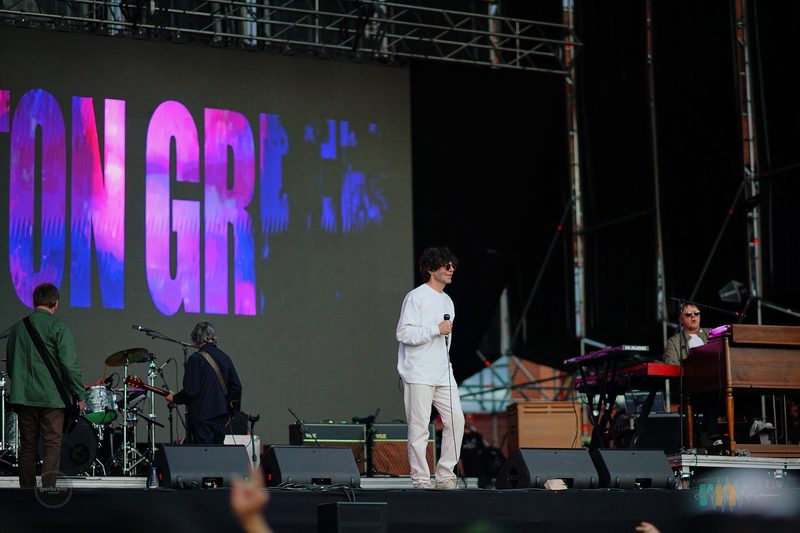
In fact, it was noticeable that for a good part of the audience that was a small sentimental date with Manchester, with the nineties and with a very specific way of having experienced music. Tim Burgess, looking like a friendly clueless guy, seemed to sense it. He was smiling, grateful, radiant and even almost surprised by the affection received.
The performance may have lacked some physical energy, but the band compensated with craft, melody and a warmth that feels especially valuable in these hit-and-run times. It was not incendiary. It was better than that: it was beautiful.
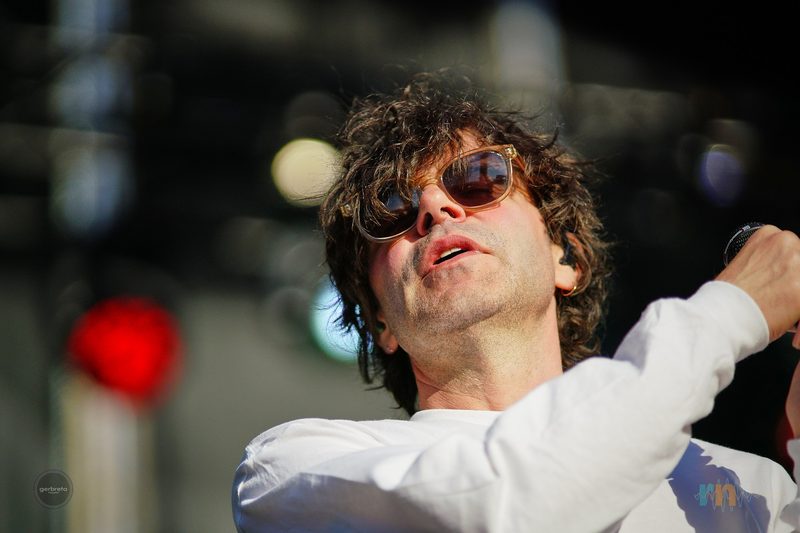
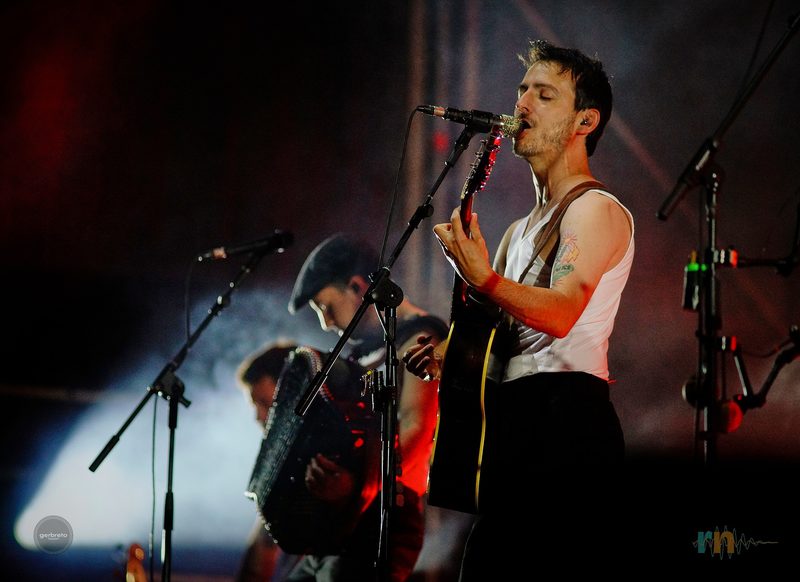
La M.O.D.A. played in a register similar to that of Carlos Ares: spectacle, emotion and dedication as the main engine. The band knows perfectly well what they want to provoke and how to do it. Their live performance is built to generate communion, to raise arms, to push the audience towards a kind of collective celebration where emotion matters as much as the song. Its epicness and sensitivity may not connect with all palates, including mine, and at times it touches that emotional main square point.
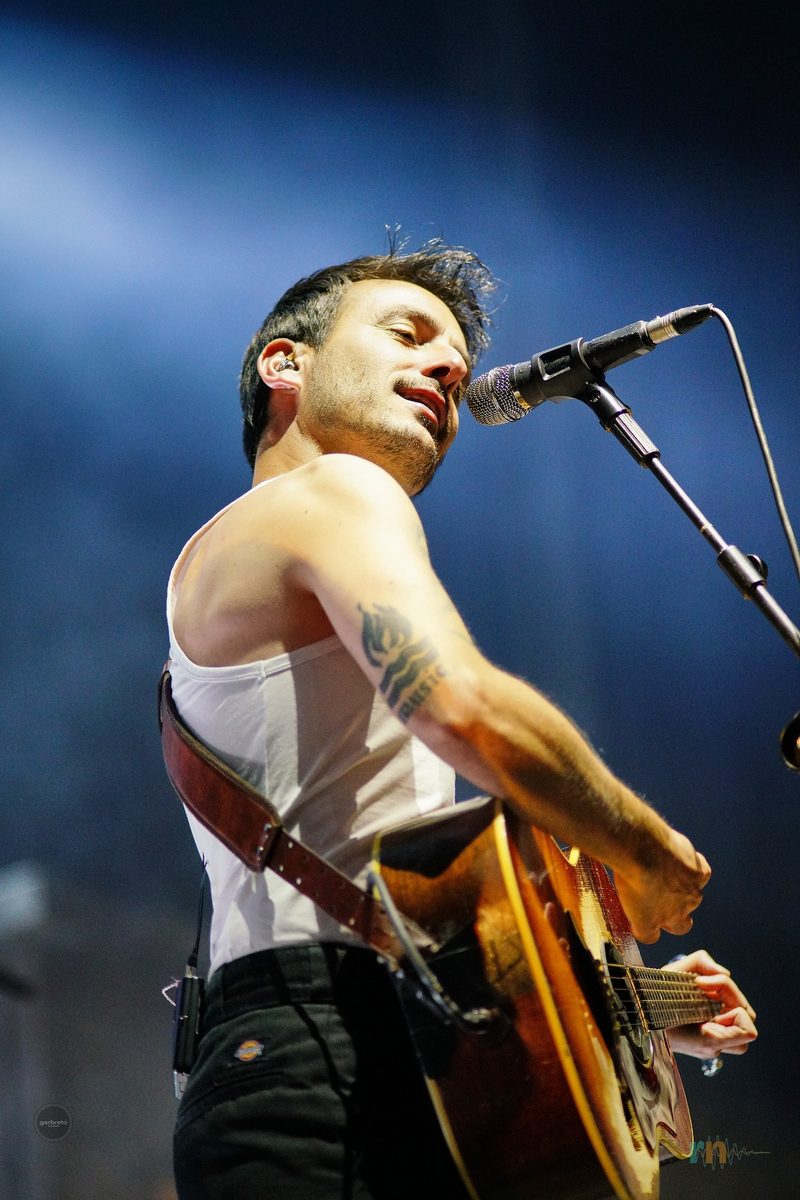
But they defend it with indisputable professionalism. There is effort, there is scenic honesty and there is a well-rounded band that comes out to empty itself. It is clear that it may not be your house, but it is very well built.
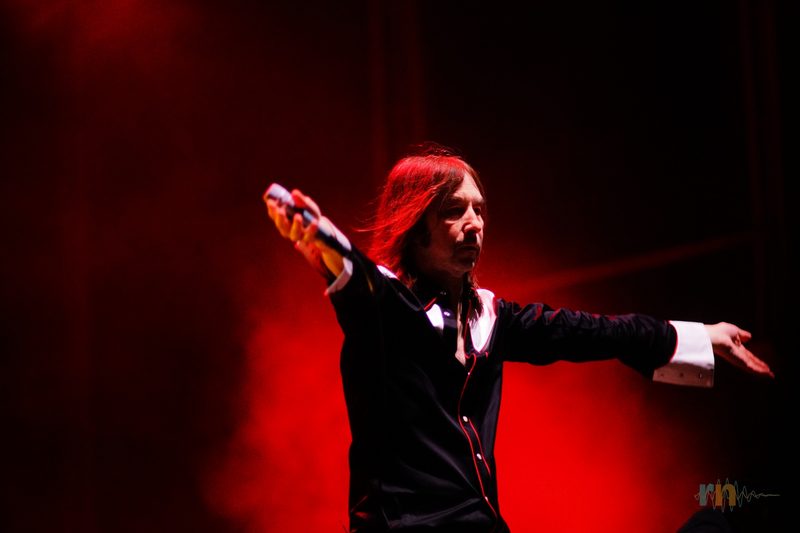
Primal Scream were something else. Not just a headliner, but a piece of living rock history placed right under your nose. And that still weighs. Bobby Gillespie and his crew are able to take a fragment of electricity, arrogance, hedonism, noise and memory from their monumental career, and spit it back in your face with the ease that only bands that have been there when some important things were happening have.
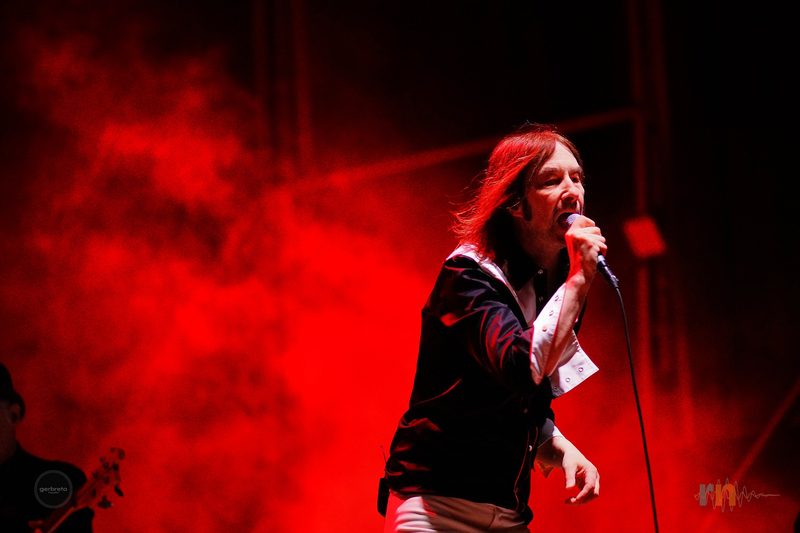
Technically they were impeccable, very correct, very professional, with that arrogance of someone who has already stepped in too many puddles to now lose their place. But something was also noticed: there is a lack of that suicidal energy, that fierce innocence when a band goes out to die because they hardly know how to do anything else. It's normal. The years pass, the anger softens and the fire no longer always goes out of control.
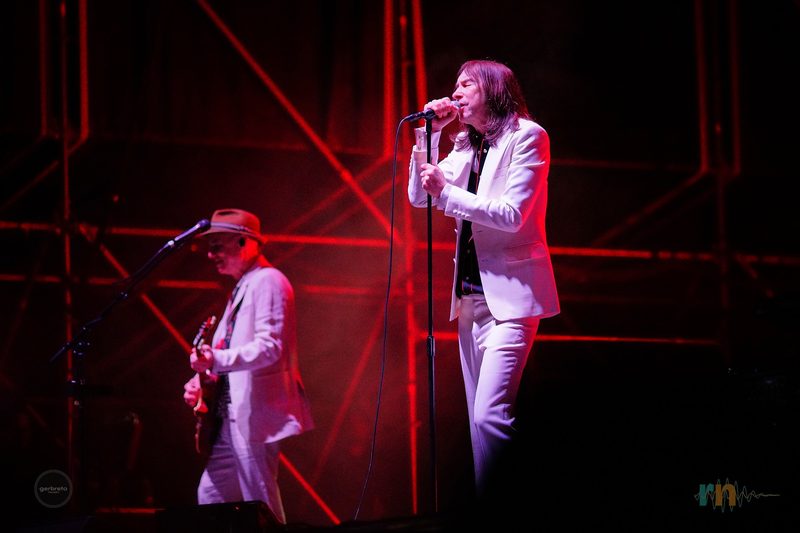
Even so, it's best to stay with what's important: Primal Scream can still transport you to that magical and fascinating universe where a handful of living legends come to remind you why all this still makes sense.
The best: music and DJs between concerts
Best concert: The Charlatans
Best moment: “Accelerator” by Primal Scream.